Lucinda Childs, Alessandro Sciarroni, Ballet de l’Opéra de Lyon
Dance ; HØPE
© Agathe Poupeney ©
© Agathe Poupeney ©
© Marc Domage ©
© Marc Domage ©

BUS 75, 151 : Porte de Pantin
BUS 139, 150, 152 : Porte de la Villette
Metro 5 : Porte de Pantin
Metro 7 : Corentin Cariou or Porte de la Villette
Tramway 3B : Porte de Pantin or Porte de la Villette
Wednesday november 25
20h
Thursday november 26
19h
Friday november 27
20h
Saturday november 28
18h
Sunday november 29
15h
Dance (60 minutes)
Choreography Lucinda Childs. Music Philip Glass. Costumes Christina Giannini. Lighting Beverly Emmons. Original film concept Sol LeWitt. 2016 film direction Marie-Hélène Rebois (film shot identically by Marie-Hélène Rebois—Director of Photography, Hélène Louvart—Script Supervisor, Anne Abeille—Editing, Jocelyne Ruiz—Special Effects, Philippe Perrot). Ballet Masters Marco Merenda and Raúl Serrano Núñez. Assistant Ballet Mistress Amandine François. Dancers from the Opéra de Lyon Ballet.
Created in 1979—Added to the Opéra de Lyon Ballet’s repertoire in April 2016
Production Opéra de Lyon
HØPE (30 minutes)
Choreography Alessandro Sciarroni. Assistant choreographer Elena Giannotti. Country line dance instructor Guillaume Richard. Assistant country line dance instructor Noémie Blanchard. Music Père Jou and Aurora Bauza. Costumes Ettore Lombardi. Lighting Sébastien Lefèvre. Ballet masters Marco Merenda and Raúl Serrano Núñez. Assistant Ballet Mistress Amandine François. Dancers from the Opéra de Lyon Ballet.
Commissioned in 2026 for the Opéra de Lyon Ballet
Production Opéra de Lyon
With the support of Dance Reflections by Van Cleef & Arpels
La Villette and the Festival d’Automne present this show as a corealisation.
With the support of


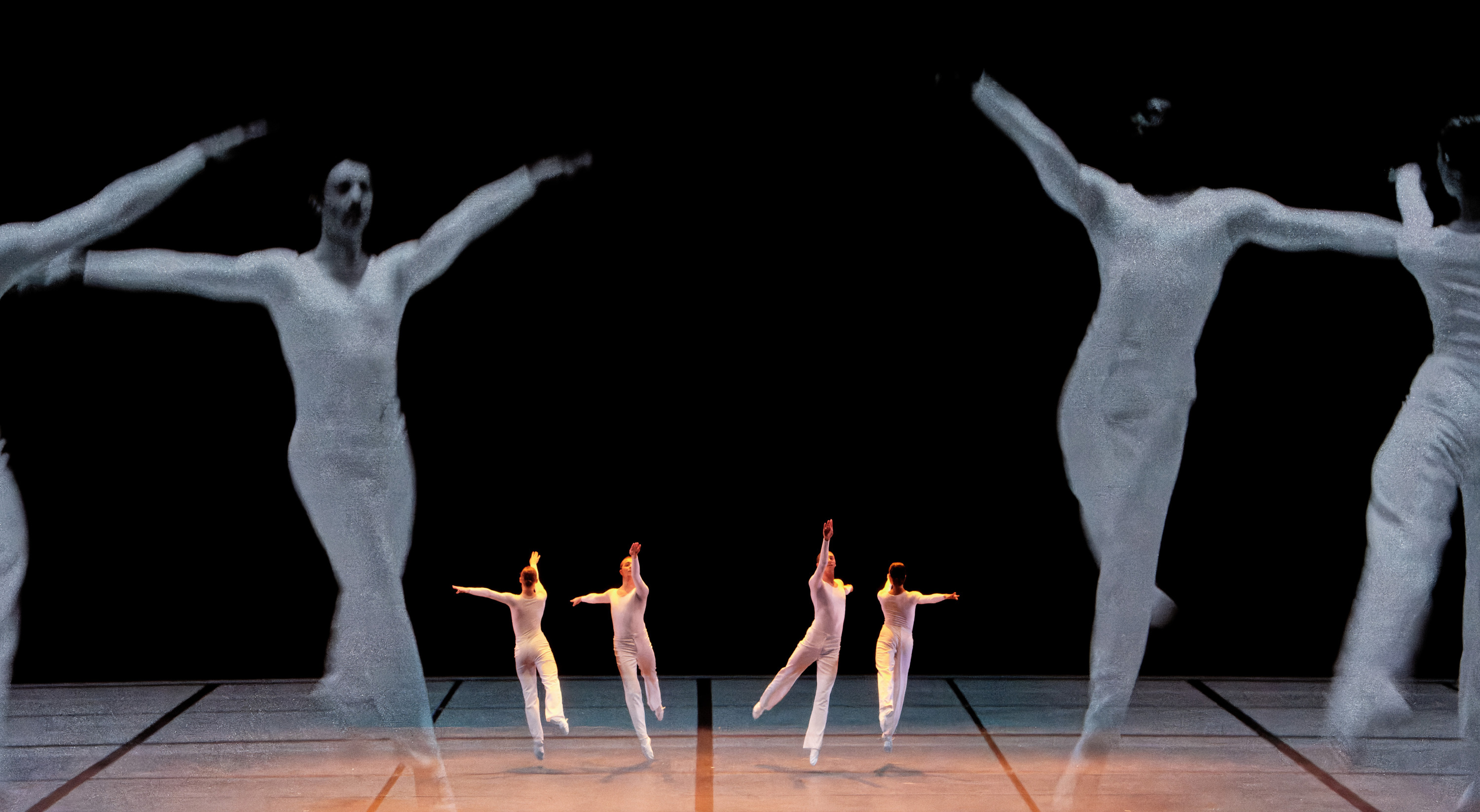
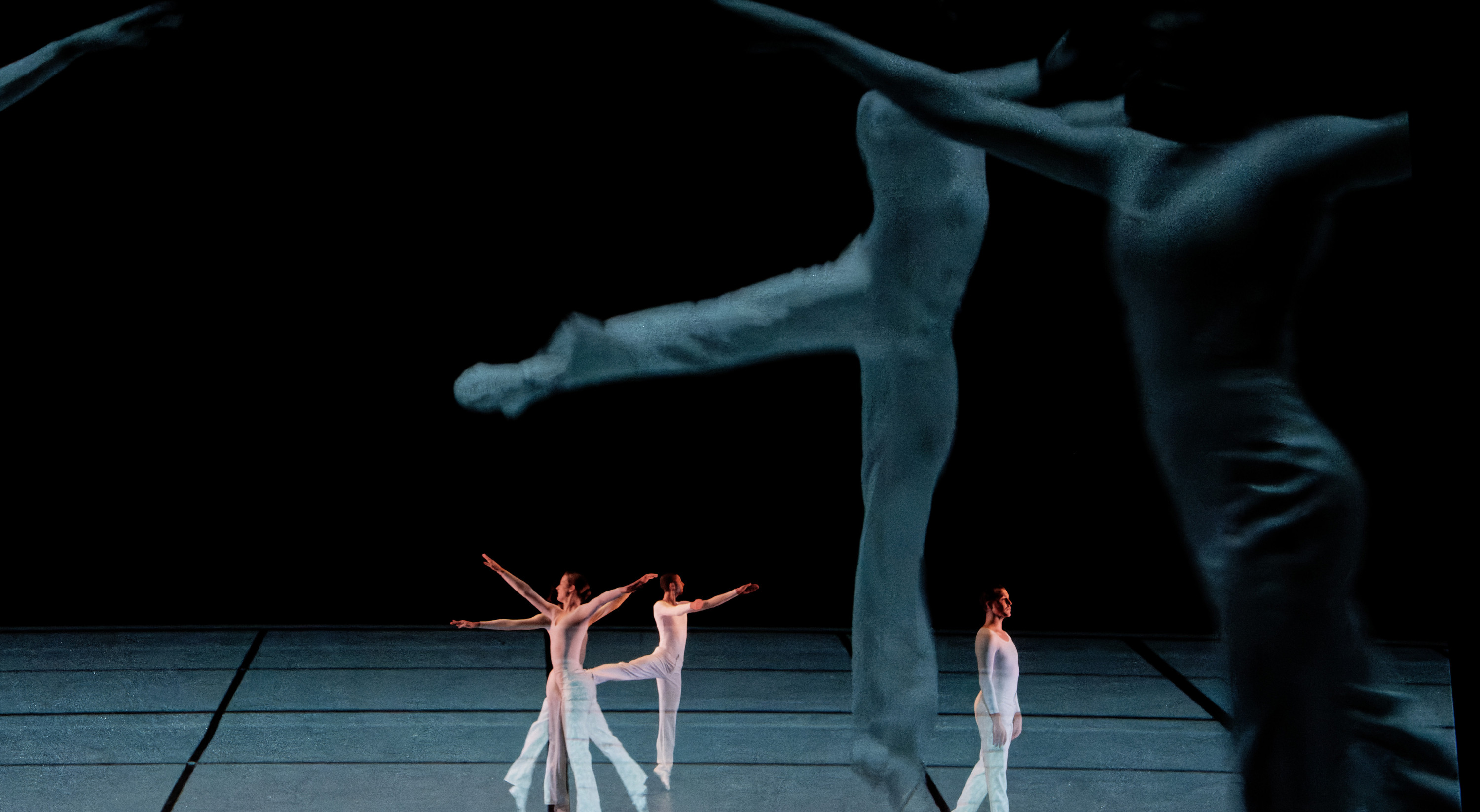
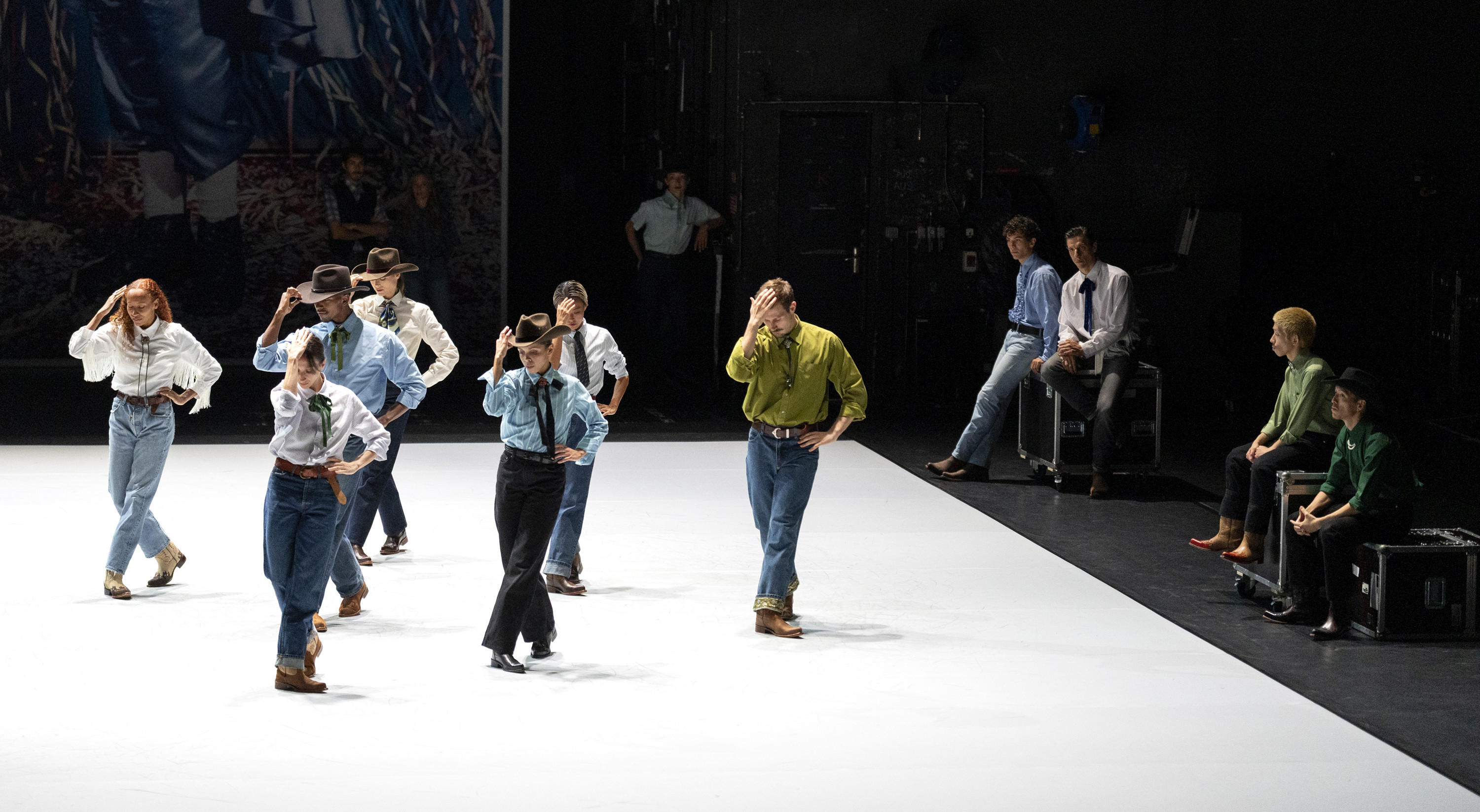
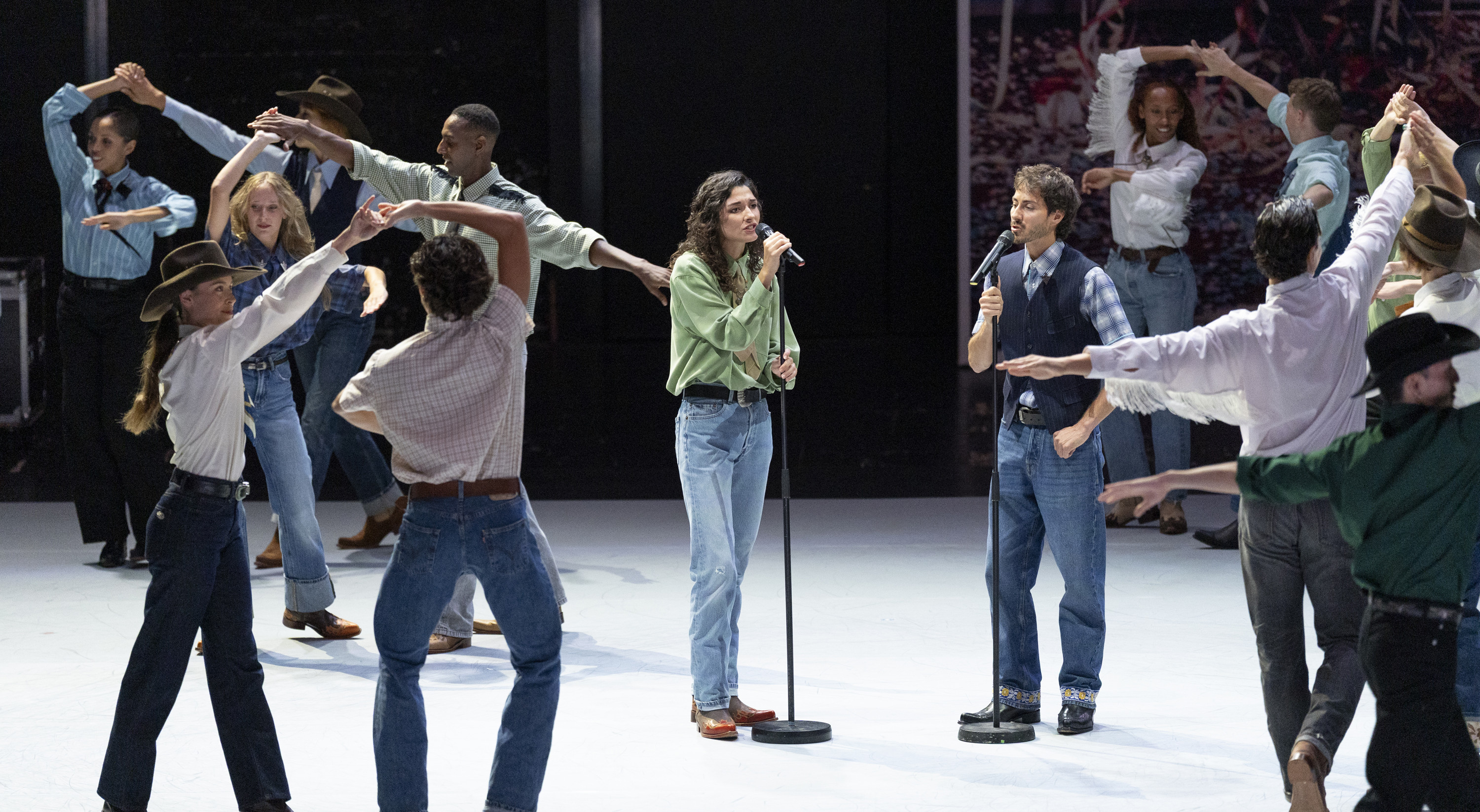
The Ballet de l’Opéra de Lyon brings together two repetitive movement choreographers: Lucinda Childs, with Dance, an iconic work first performed in 1979, and Alessandro Sciarroni, winner of the Golden Lion at the Venice Biennale, who presents HØPE, a new work inspired by a dance found in cowboy culture.
It is impossible to grow tired of watching Dance, an emblematic work of post-modern dance. Devised very much in complicity with composer Philip Glass and visual artist Sol LeWitt, it furthered the research carried out by Lucinda Childs after her collaboration with Bob Wilson on Einstein on the Beach. In it, the choreographer unfurls writing that is rigorous, abstract, and free from all forms of narration. The choreographic motifs are repeated and go out of synch in a subtle way, and at the same time the music and video multiply the different effects, giving rise to a hypnotic experience.
This dialogue at the crossroads between dance, musical composition and the visual arts is also an integral part of Alessandro Sciarroni’s work. After exploring various folklore dances from Folks to Save the Last Dance for Me, he now tackles the two-step, a dance with strict codes that is associated with cowboying. Drawing upon repetition and variation, he progressively alters its outlines, via the introduction of rhythmic and perceptive shifts. The experience gives rise to emotion of a unique kind, tinged with softness and nostalgia.

BUS 75, 151 : Porte de Pantin
BUS 139, 150, 152 : Porte de la Villette
Metro 5 : Porte de Pantin
Metro 7 : Corentin Cariou or Porte de la Villette
Tramway 3B : Porte de Pantin or Porte de la Villette