Talents Adami Théâtre, Jonathan Capdevielle
Malheur à celui qui est différent
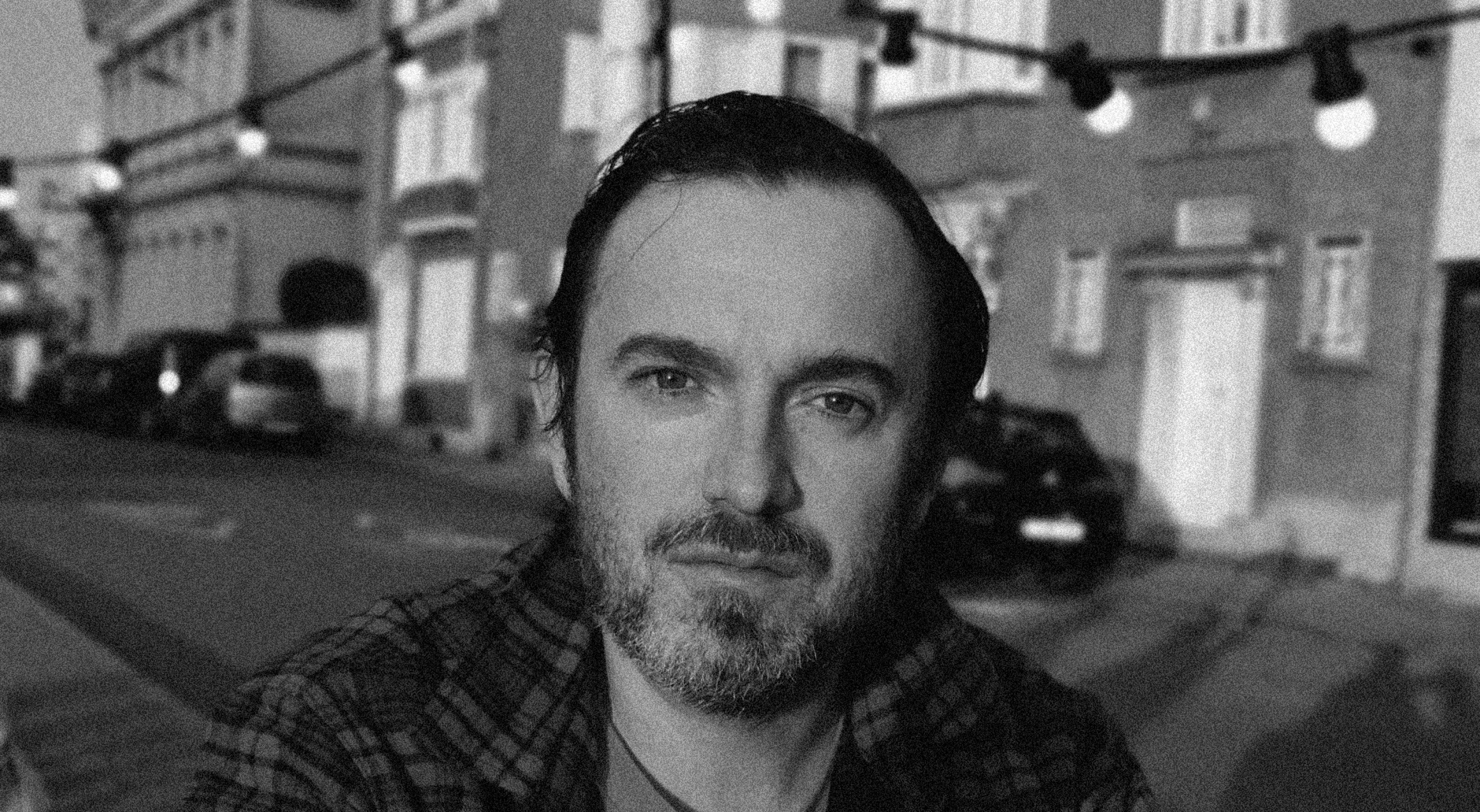
© Hans Bryssinck ©
Metro : La Chapelle (ligne 2) Gare du Nord (lignes 4, 5, RER B, RER D)
Bus : 35, 38, 45, 48, 91, 350
Vélib’ : Station n°18040, 28 bd de la Chapelle
Friday november 27
20h
Saturday november 28
16h
Saturday november 28
20h
Sunday november 29
16h
Sunday november 29
20h
Based on Dialogo con i lettori by Pier Paolo Pasolini, Corti Editions, 2023.
Adaptation and direction Jonathan Capdevielle. Assistant director Jade Maignan. With Diego Andres, Benoît Asnoune-Delbort, Yacine Bathily, Axel Escot, Shadya Karbal, Alessandro Sanna, May Ameur-Zaïmèche, Anna Gianforcaro. Lighting Thierry Morin. Sound Vanessa Court. Costumes (to be announced). Choreographic movement Marcela Santander Corvalan. General stage management Jérôme Masson. Production, distribution and administration Fabrik Cassiopée — Manon Crochemore, Mathilde Lalanne and Isabelle Morel / Compagnie Poppydog.
Coproduction Adami ; Festival d’Automne à Paris
With the support of the Ménagerie de verre and the Théâtre de la Cité internationale
The Adami and the Festival d’Automne à Paris are co-producers of this performance and present it in collaboration with the Théâtre des Bouffes du Nord.
With the support of

The director Jonathan Capdevielle adapts Dialogo con i lettori by Pier Paolo Pasolini, within the unique framework of the Talents Adami Théâtre initiative. Bringing together eight young performers for a condensed period of rehearsals, he creates a hybrid form which fleshes out what society does in troubled times.
From 1960 to 1965, letters arrive by the dozen addressed to Pier Paolo Pasolini, at that time head of reader’s letters on the weekly newspaper Vie Nuove. The poet replies to them void of any form of demagogy, and with political commitment and sensitivity. In a tense political and social context, he has become a trusted interlocutor. This results in the opening up of a complex and sincere dialogue between the artist and a deeply-divided Italy: a nation which is, by turns, proletarian, bourgeois, communist, and fascist. Jonathan Capdevielle hones in on this polyphonic spoken word—both literary and popular—in which transdisciplinarity becomes a place of exploration, expression and communion. Within this multi-faceted writing, the director goes in search of social and political resonances with the present day. He does so by bringing into existence on the stage a community that is overflowing with energy, consisting of eight young artists who have been invited to take part in a speeded-up process of creation. What emerges is a cross-section of today’s youth that asks questions about itself, and which, via its exploration of the collective, goes in search of a possible common language, where identities intertwine, confront each other and reinvent themselves.
In the same place
Metro : La Chapelle (ligne 2) Gare du Nord (lignes 4, 5, RER B, RER D)
Bus : 35, 38, 45, 48, 91, 350
Vélib’ : Station n°18040, 28 bd de la Chapelle