Fanny & Alexander
Nina

© Enrico Fedrigoli ©
© Enrico Fedrigoli ©
Concept, direction and lighting Luigi Noah De Angelis. Performer Claron McFadden. Dramaturgy and costumes Chiara Lagani. Musical creation Claron McFadden, Damiano Meacci (Tempo Reale). Electronic music and sound design Damiano Meacci. Photography Enrico Fedrigoli. Coaching Andrea Argentieri.
Production E Production/Fanny & Alexander and Muziektheater Transparant (Antwerp)
In collaboration with Romaeuropa Festival and Tempo Reale (Florence)
Co-production Ircam – Les Spectacles vivants – Centre Pompidou; Festival d’Automne à Paris
With the support of the Italian Cultural Institute of Paris
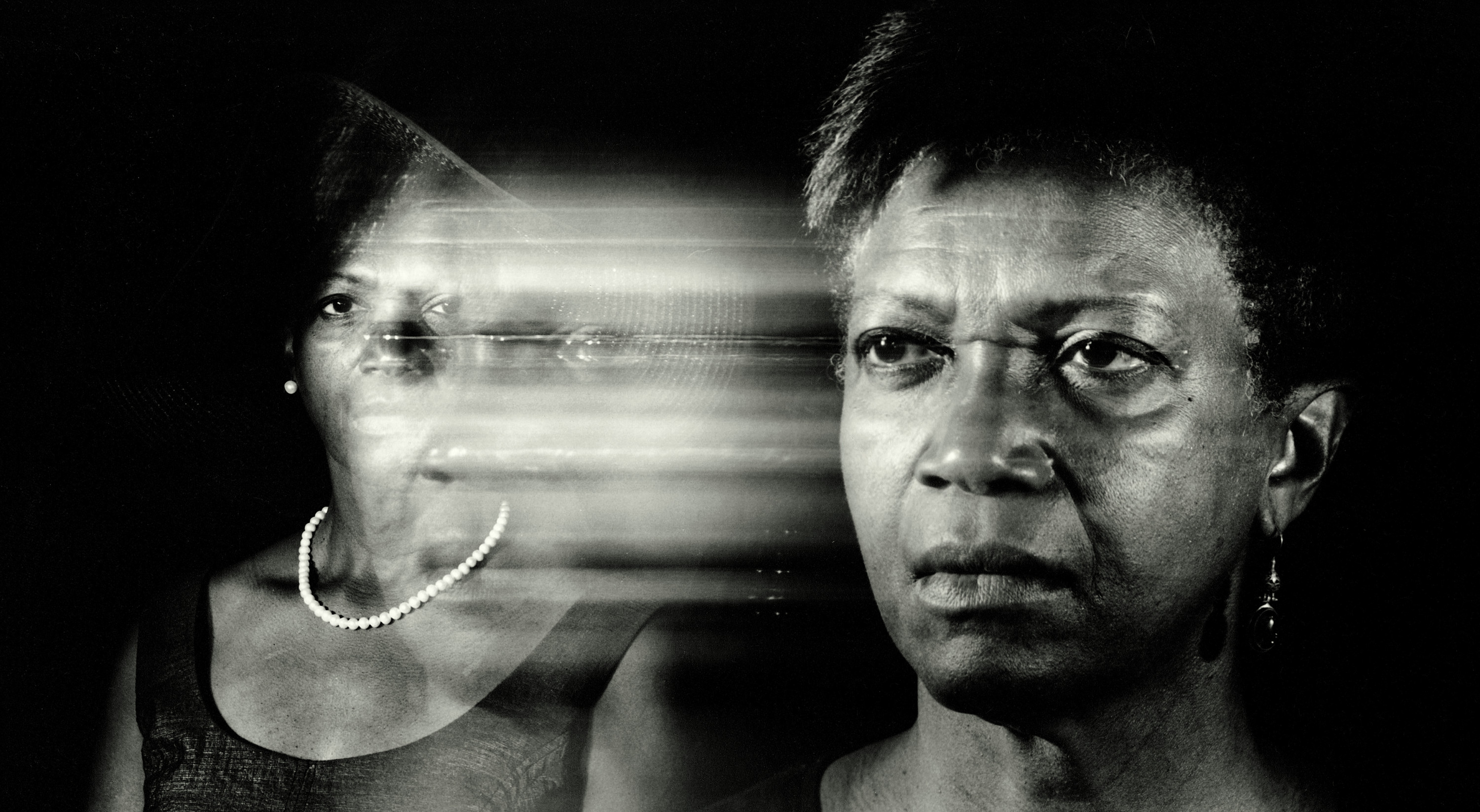
In Nina, the Fanny & Alexander company investigates, in a blend of music and performance, the human voice, via the technique of heterodirection. The soprano Claron McFadden embodies the mythical figure of Nina Simone, and conveys the unique energy of this individual who set out to be "the first black pianist".
Luigi De Angelis et Chiara Lagani, membres fondateurs de la compagnie italienne Fanny & Alexander, ont créé Nina comme une expérimentation sonore-performative en hommage à Nina Simone – chanteuse, pianiste et activiste. Donnant cours à la technique de l’hétérodirection, la soprane américaine Claron McFadden se munit d’écouteurs pour se connecter en temps réel à la voix de l’artiste. Entre reprise de chansons légendaires, évocation des prises de position politiques mais aussi des déceptions de Nina Simone, Claron McFadden, accompagnée d’un « autopiano » et grâce au travail du sound designer Damiano Meacci, parvient à l’incarner au-delà d’une simple représentation mimétique, créant un effet de « superposition fantasmatique ». Se laissant habiter par la présence de Nina Simone, la soprane illustre avec grâce la singularité de la voix humaine en tant qu’« empreinte sonore » inimitable. À la croisée de la technologie et de la magie, Nina mène les spectatrices et spectateurs à une réflexion sur les questions socio-raciales dans nos sociétés occidentales.

METRO
Ligne 4
Bagneux - Lucie Aubrac
BUS
n°188 / n°197 / n°162 / n°388 / n°193 / n°187
VÉLIB'
Station Jean Marin Naudin - Stalingrad
Station Gare Arcueil-Cachan
Station Place de la Vache Noire
RER B
Arcueil-Cachan