Alexander Zeldin
The Other Place, After Antigone
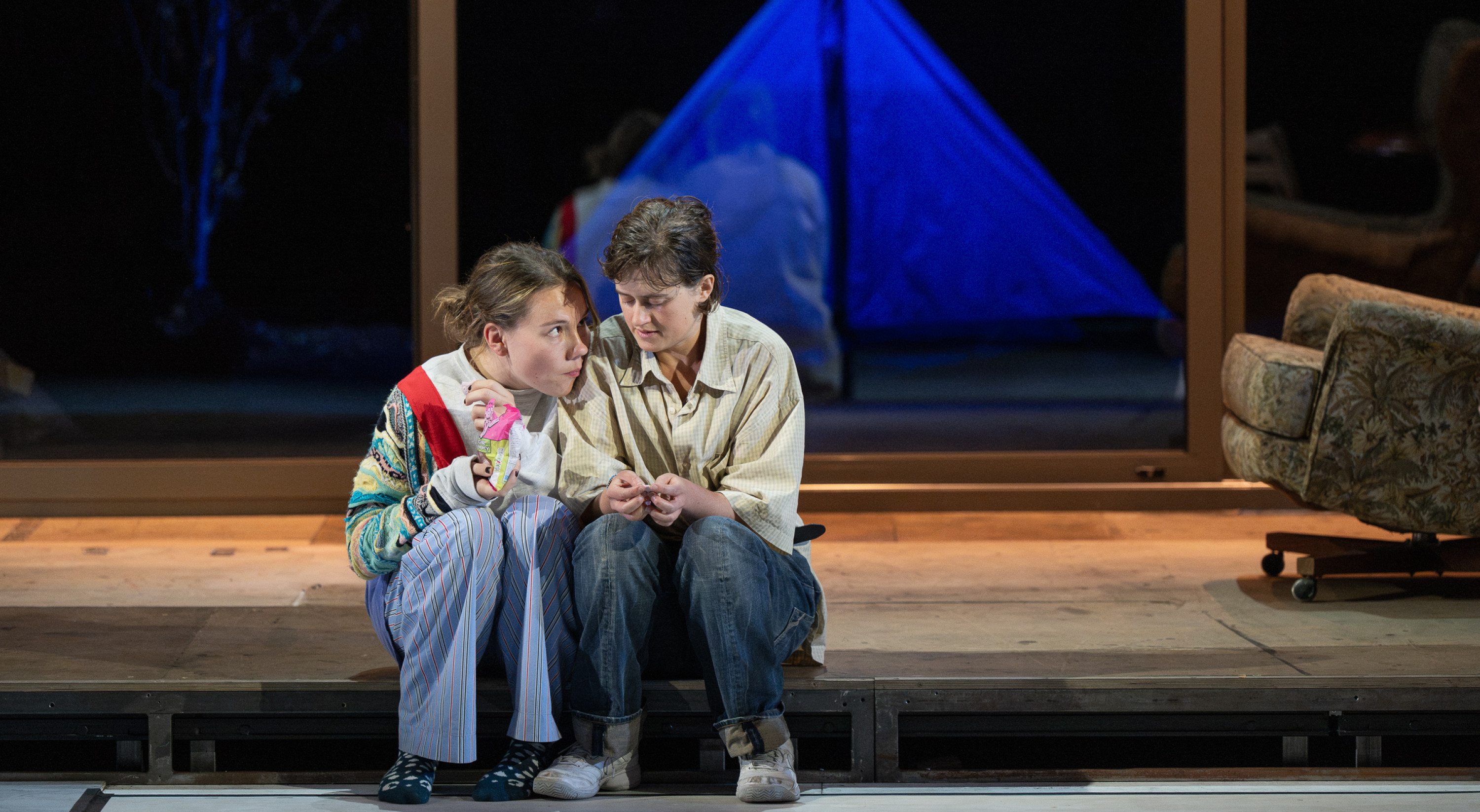
© Martin Argyroglo ©
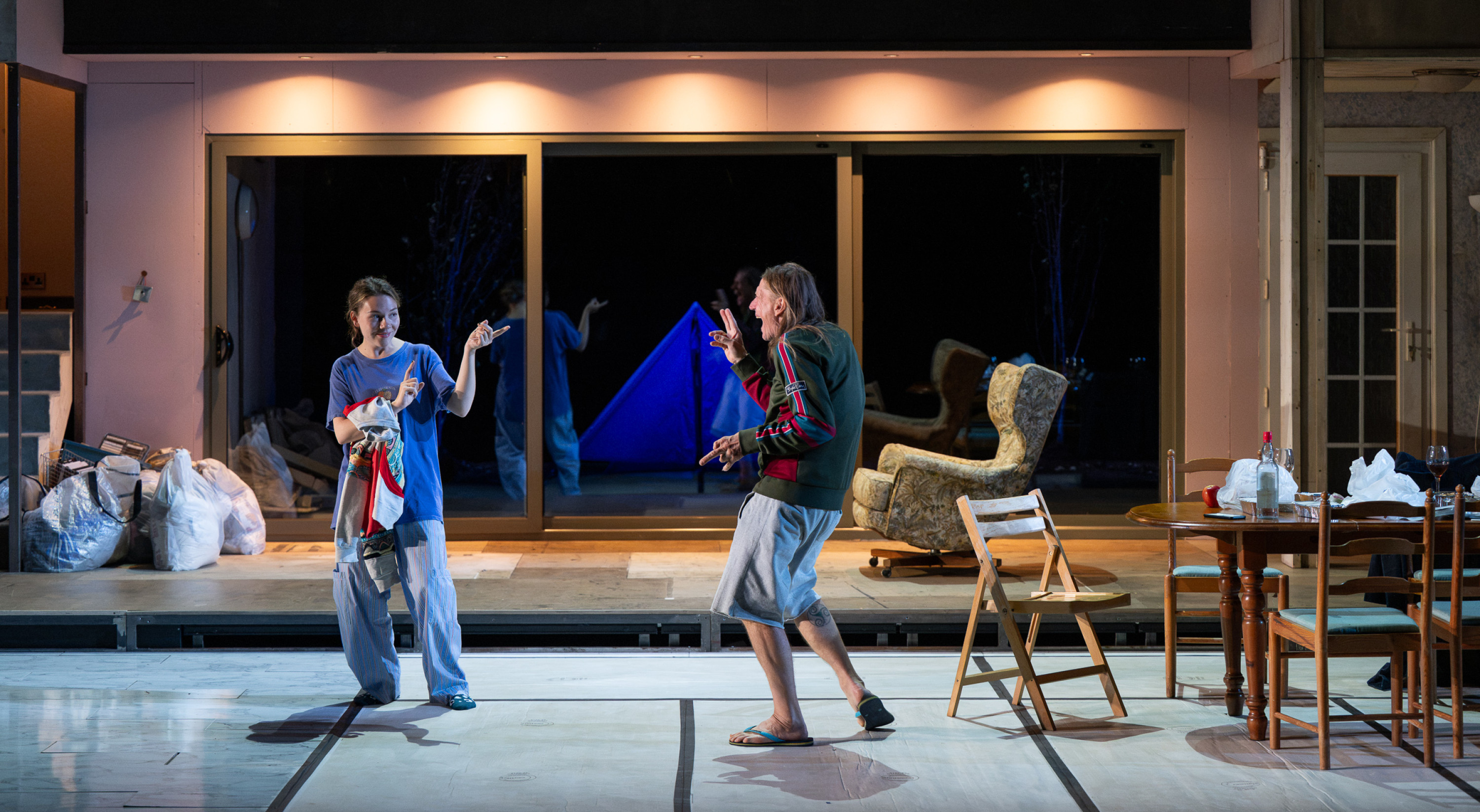
© Martin Argyroglo ©
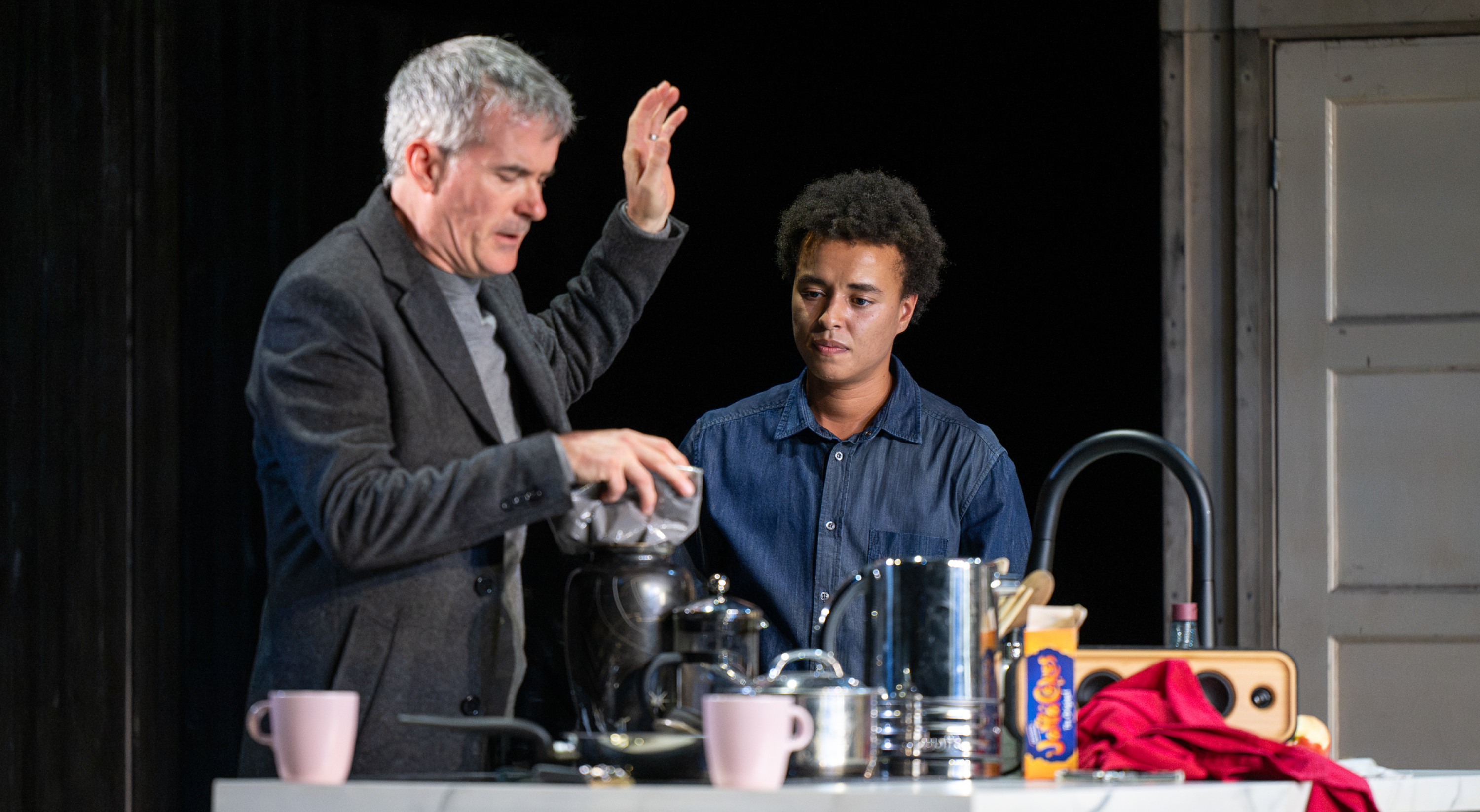
© Martin Argyroglo ©
Metro lignes 1, 4, 7, 11, 14 : Châtelet
Bus 21, 38, 47, 58, 67, 69, 70, 72, 74, 75, 76, 85, 96
RER lignes A, B, D : Châtelet-Les Halles
+ VELIB's stations
Saturday september 19
20h
Sunday september 20
15h
Tuesday september 22
20h
Wednesday september 23
20h
Thursday september 24
20h
Friday september 25
20h
Saturday september 26
15h
Saturday september 26
20h
Text and direction Alexander Zeldin. With Ella Bruccoleri, Alicia Charles, Imogen Elliott, Nick Fletcher, Tylan Grant, Jerry Killick. Set and costume design Rosanna Vize. Lighting design James Farncombe. Music Yannis Philippakis. Sound design Josh Anio Grigg. Movement director Marcin Rudy. Casting director Jacob Sparrow. Assistant director Sammy J Glover. Intimacy coordination Elle McAlpine and Katharine Hardman for EK Intimacy. Fight choreography Sam Lyon-Behan.
Touring production A Zeldin Company
Co-production Théâtre de la Ville-Paris; Festival d’Automne à Paris; Théâtres de la Ville de Luxembourg; Comédie de Genève
Original production National Theatre of Great Britain in association with A Zeldin Company
The Théâtre de la Ville-Paris and the Festival d’Automne à Paris are co-producers of this show and present it as a corealisation.
With the support of


In partnership with

What should we do with the bodies of the dead? In Antigone, this question enabled Sophocles to illustrate the limits of political power in the face of the sacred. In his latest work, Alexander Zeldin sheds light upon the atomisation of pain and suffering that characterises the times we live in.
With his gift for theatre of a very real, social kind, Alexander Zeldin, from Great Britain, draws upon Antigone by Sophocles as his inspiration for bringing to the stage the various members of a family with a tragic destiny. The story begins with the return of an elder daughter, Annie, to the family home after her father has passed away. The uncle, the brother of the deceased, tries to rebuild a life for himself with his new wife and step-son, and sets about renovating the deceased’s former home. But Annie is unable to move on and turn her back on her sorrow. In the wake of his "Inequalities trilogy" (Beyond Caring, Love and Faith, Hope and Charity) and A Death in the Family, Alexander Zeldin looks into the specific nature of modern-day suffering in the light of tragic writing. Our inability to talk about it. Our evanescent empathy. And our despairing solitude in the face of sorrow.
In the same place
Metro lignes 1, 4, 7, 11, 14 : Châtelet
Bus 21, 38, 47, 58, 67, 69, 70, 72, 74, 75, 76, 85, 96
RER lignes A, B, D : Châtelet-Les Halles
+ VELIB's stations