Anarcasis Ramos
Mi madre y el dinero
© Inbal Citru Gabriel Morales ©
© Inbal Citru Gabriel Morales ©

Metro lignes 1, 4, 7, 11, 14 : Châtelet
Bus 21, 38, 47, 58, 67, 69, 70, 72, 74, 75, 76, 85, 96
RER lignes A, B, D : Châtelet-Les Halles
+ VELIB's stations
Friday october 2
19h
Saturday october 3
15h
Saturday october 3
19h
Sunday october 4
17h
Monday october 5
19h

T13 / BIBLIOTHÈQUE
Metro 14 et RER C — Bibliothèque François Mitterand
Tram T3a — Maryse Bastié ou Porte de France
Métro 6 — Chevaleret (15 min walk)
Bus — 62/64/89/132/N133
T3 / GLACIÈRE
Metro 6 — Glacière
Bus — 21/57/62/64/67
Tuesday december 15
20h
Wednesday december 16
20h
Thursday december 17
20h
Creation by Anacarsis Ramos / Pornotráfico. Directed and spatially conceived by Anacarsis Ramos. Text by Anacarsis Ramos, based on the accounts of Josefina Orlaineta. Performed by Josefina Orlaineta and Anacarsis Ramos. Dramaturgy by Santiago Villalpando. Research collaboration by Babis Zozoaya. Lighting, sound and video design by Karla Sánchez “Kiwi”. Executive production, and set and prop making by Fausto Castaño. Scenic painting by Josefina Orlaineta. Tour management and distribution by Roni Isola. Assistant directors Sofía León and Valentina Girón. Vlogger recording assistant Emiliano Sandoval.
The Théâtre de la Ville-Paris and the Festival d’Automne à Paris present this performance in corealisation.
The Théâtre 13 and the Festival d’Automne à Paris present this performance in corealisation.
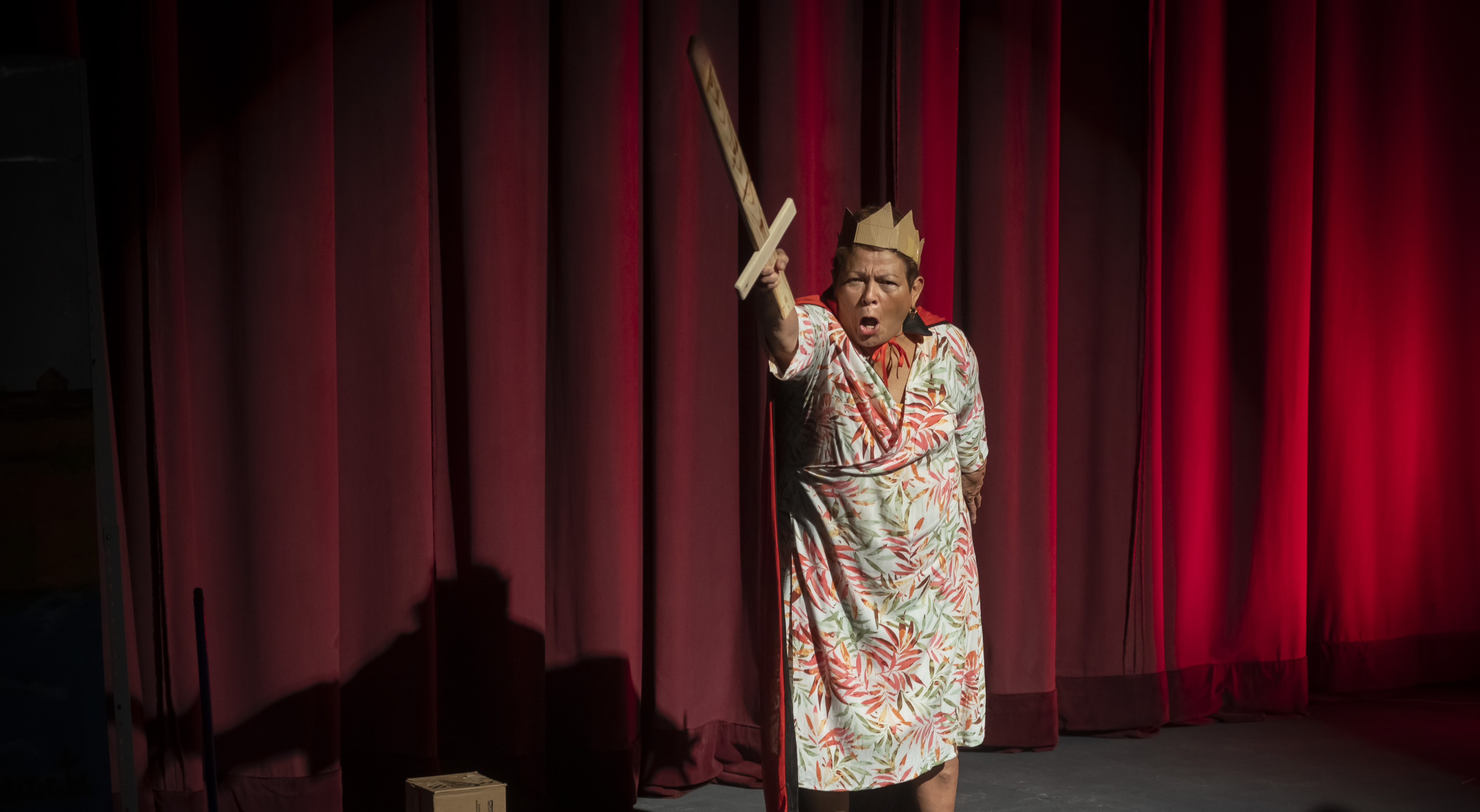
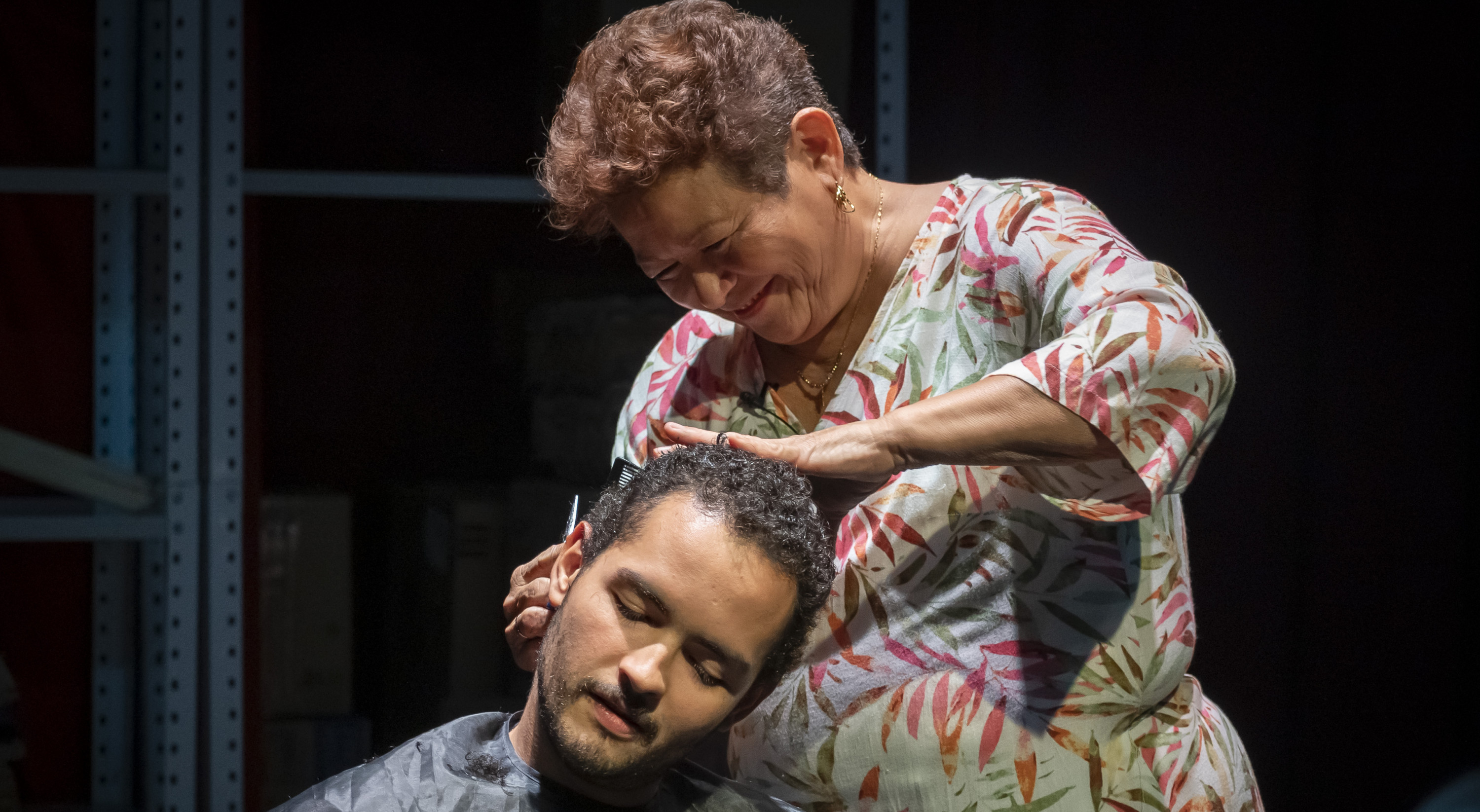
A mother and son. Throughout her life, she has done a host of different jobs in order to support the family. He has dedicated his life to theatre. Together, the stage becomes a tool for unfurling their different existences, caught up at the intersection of capitalism inherited violence.
Over the course of six decades, Josefina Orlaineta has managed forty small companies, selling everything from sandwiches to fancy jewellery. Onstage, the Mexican director Anacarsis Ramos and his mother undertake a materialist reading of these years spent working. Put differently, this is a reading of a more tender kind, which offloads Josefina’s responsibility for choices determined by a specific context: Campeche, which could not be a better example of the mechanisms of neocolonial capitalism, a coastal, working-class region the natural resources of which have ceased, over the course of the 20th century, to benefit its habitants. The forty-first business is being played out before our eyes. A small theatre business which enables, just like the others, money to be earned, for as long as festivals continue to programme it. In it, Josefina Orlaineta no longer takes on this figure of the ever-resourceful shopkeeper whose destiny has something of the picaresque about it, and who gets back on her feet in a pragmatic way after each defeat. Here she transforms into an actress, performing, in an arte povera decor, the complex interweaving of work, theatre and life.

Metro lignes 1, 4, 7, 11, 14 : Châtelet
Bus 21, 38, 47, 58, 67, 69, 70, 72, 74, 75, 76, 85, 96
RER lignes A, B, D : Châtelet-Les Halles
+ VELIB's stations

T13 / BIBLIOTHÈQUE
Metro 14 et RER C — Bibliothèque François Mitterand
Tram T3a — Maryse Bastié ou Porte de France
Métro 6 — Chevaleret (15 min walk)
Bus — 62/64/89/132/N133
T3 / GLACIÈRE
Metro 6 — Glacière
Bus — 21/57/62/64/67