Rebecca Saunders, Ensemble Intercontemporain
Chroma I–XXIV (2003–26)
novembernov 21
© Kristof Lemp ©
© Kristof Lemp ©
© Kristof Lemp ©
© Kristof Lemp ©

Saturday november 21
19h
Saturday november 21
20h
Saturday november 21
21h
Chroma I–XXIV (2003–26) for 15 musicians and 5 performers
Premiered in Paris, conceived for the spaces of the Grand Palais
Rebecca Saunders musical direction and spatialisation.
Ensemble Intercontemporain
Gabriel Durliat, Clara Iannotta artistic collaboration.
Lukas Becker, littlebit / Émilie Morin, Ensemble Intercontemporain production management.
Theresa Baumgartner visuals.
Guilherme de Almeida, Skylar Lim, Arnau Gran I Romero,
Yeji Kim, Pierre Pradier objects.
Commissioned by the GrandPalaisRmn, le Festival d’Automne in Paris and the Ensemble Intercontemporain.
Le Festival d’Automne à Paris and the GrandPalaisRmn present this production as a co-production.
With the support of
la Fondation d’entreprise Société Générale, mécène pour la musique du Festival d’Automne.

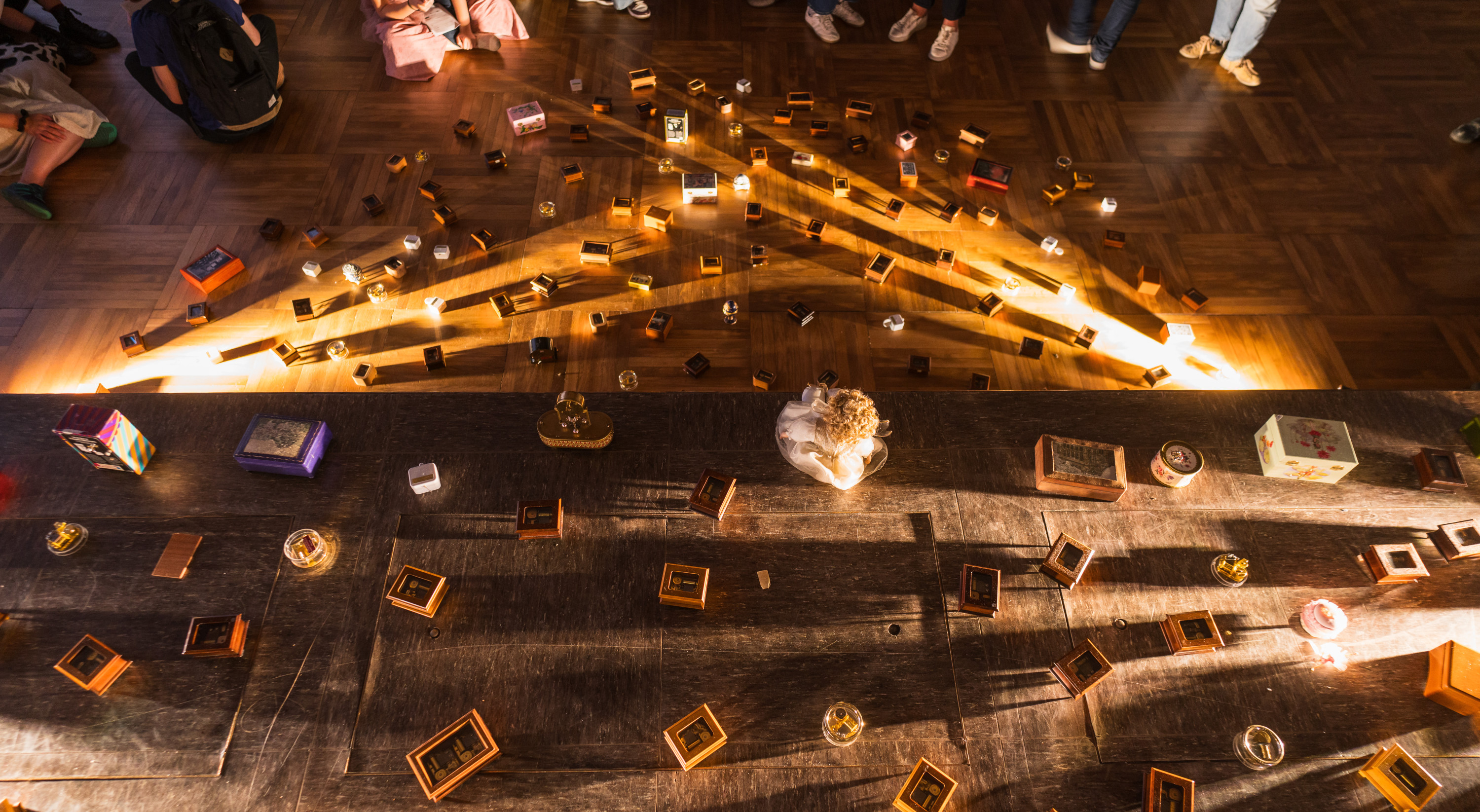
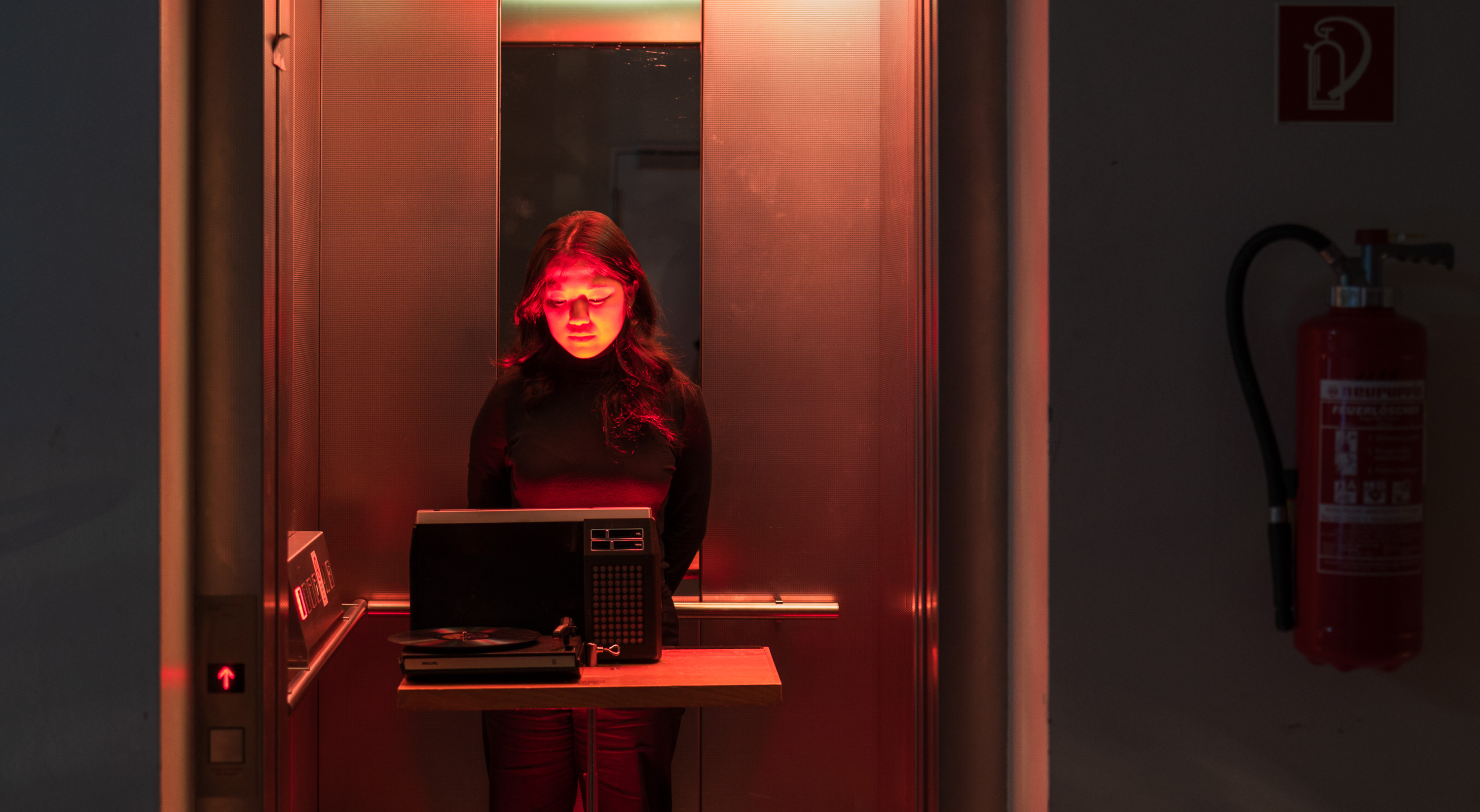
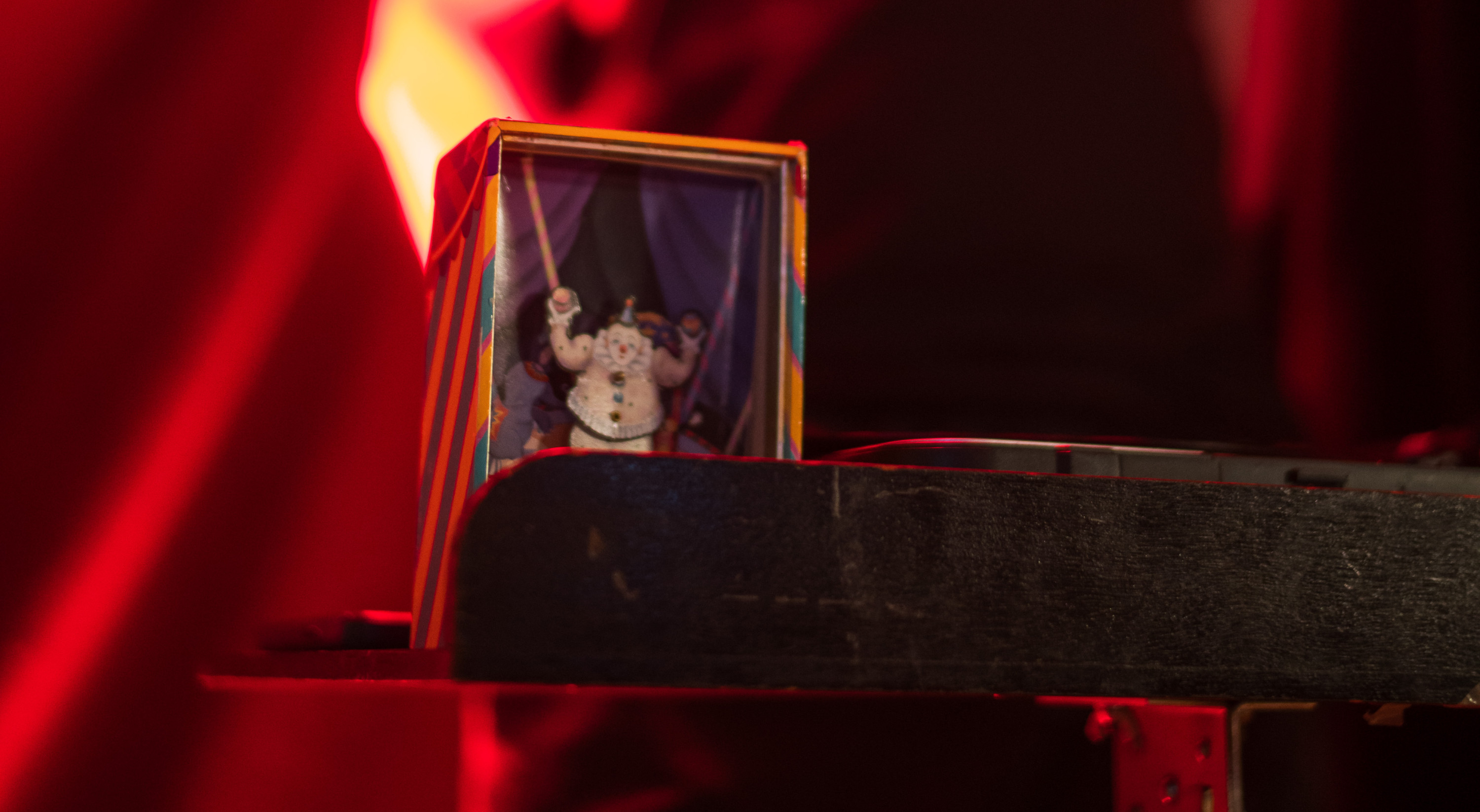
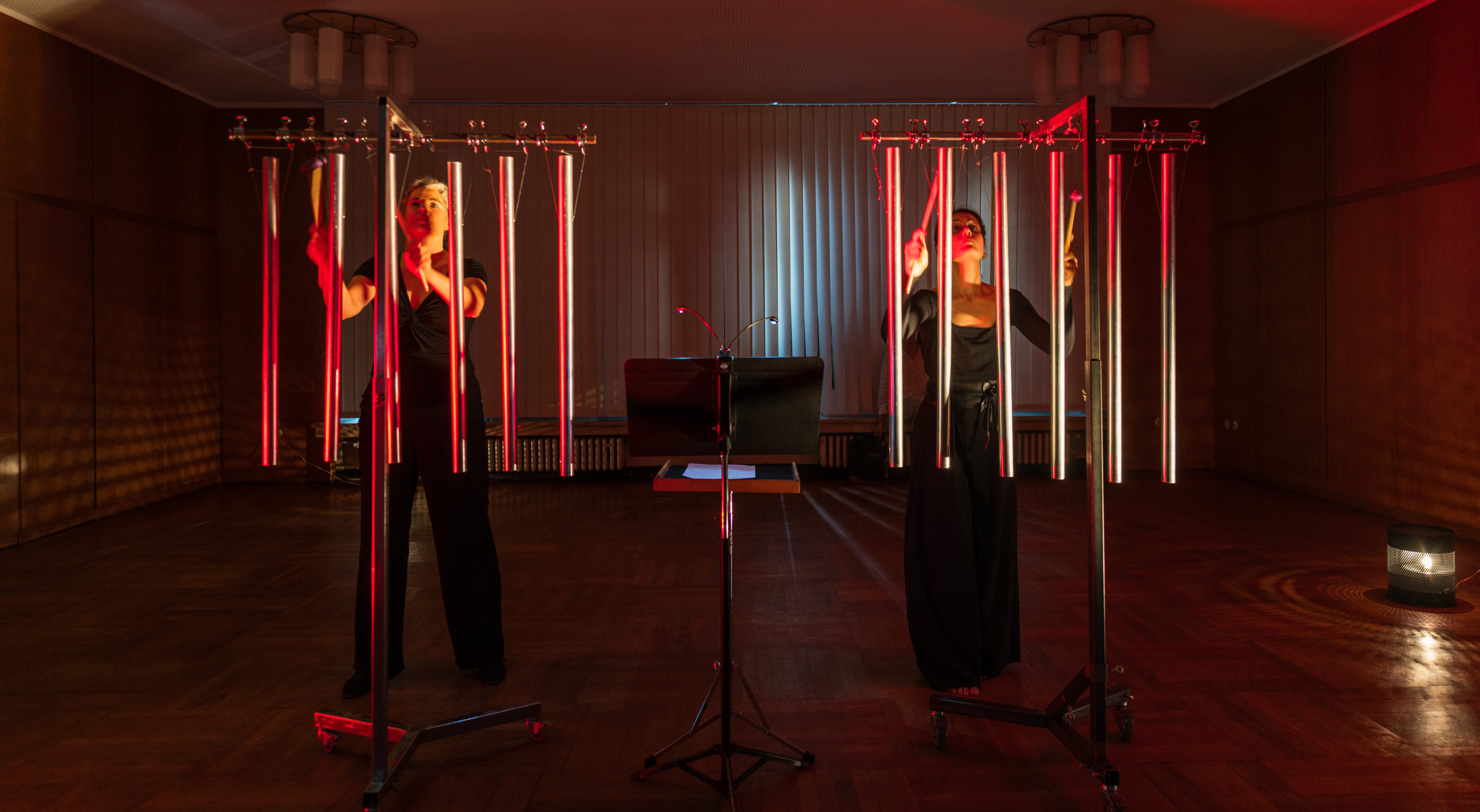
A mixture of solos, duos and trios, collage, mobile, and sound sculpture, Chroma scatters instrumental ensembles, turntables and dozens of music boxes across the space. Listeners are invited to wander around these living and mechanical islands, each a source of limitless perspectives, whilst the Grand Palais in turn shapes the work and makes it unique.
Every space is an instrument in its own right, not simply a neutral receptacle for the music. Rebecca Saunders listens to it and gauges the distances, wilfully large, which determine the disposition of groups, the emergence of sound, and the duration of independent miniatures that together map out a landscape.
Chroma is born from a given space and time, and from the interaction between architecture—meaning its planes, volumes and materials, and acoustics—the musicians, and the audience. Indeed, positions and movements do away with the idea that there is only one possible form of listening. In doing so, they open up a host of others and constantly modify the different balances at work, bringing us closer, or distancing us, from a particular source: the multiple ensembles of musicians; the music boxes, whose melodies are barely audible in themselves; and the portable turntables, with built-in loudspeakers—or a wind-up gramophone. No overall score exists for
Chroma, but each of the different sources has its own, just as each listener navigates their own path between them.