Lubaina Himid avec Magda Stawarska
Attendre ensemble
© Matt Savage ©
© Marc Domage ©
© Lubaina Himid ©
Friday november 6
13h - 19h
Saturday november 7
13h - 19h
Sunday november 8
13h - 19h
Wednesday november 11
13h - 19h
Thursday november 12
13h - 19h
Friday november 13
13h - 19h
Saturday november 14
13h - 19h
Sunday november 15
13h - 19h
Wednesday november 18
13h - 19h
Thursday november 19
13h - 19h
Friday november 20
13h - 19h
Saturday november 21
13h - 19h
Sunday november 22
13h - 19h
Wednesday november 25
13h - 19h
Thursday november 26
13h - 19h
Friday november 27
13h - 19h
Saturday november 28
13h - 19h
Sunday november 29
13h - 19h
Wednesday december 2
13h - 19h
Thursday december 3
13h - 19h
Friday december 4
13h - 19h
Saturday december 5
13h - 19h
Sunday december 6
13h - 19h
Wednesday december 9
13h - 19h
Thursday december 10
13h - 19h
Friday december 11
13h - 19h
Saturday december 12
13h - 19h
Sunday december 13
13h - 19h
Wednesday december 16
13h - 19h
Thursday december 17
13h - 19h
Friday december 18
13h - 19h
Saturday december 19
13h - 19h
Sunday december 20
13h - 19h
Artist Lubaina Himid, with Magda Stawarska.
Curation Clément Dirié.
Le Festival d’Automne à Paris is the producer of the exhibitions, in partnership with the Musée d’Art Moderne de Paris and the Chapelle Saint-Louis de la Salpêtrière/AP-HP Sorbonne Université.
With the support of Sylvie Winckler, Philippe Chiambaretta / PCA-STREAM, Quartier Libre and Fluxus Art Projects.
Alongside the exhibitions
Thursday 29 October – 7pm
Masterclass with Lubaina Himid & Magda Stawarska
Amphithéâtre des Loges
Beaux-Arts de Paris
Thursday 10 December – 7pm
Discussion with Lubaina Himid and Griselda Pollock,
moderated by Clément Dirié
Auditorium Matisse
Musée d’Art Moderne de Paris
With the support of


In partnership with


With the support of Sylvie Winckler, Philippe Chiambaretta / PCA-STREAM, Quartier Libre.
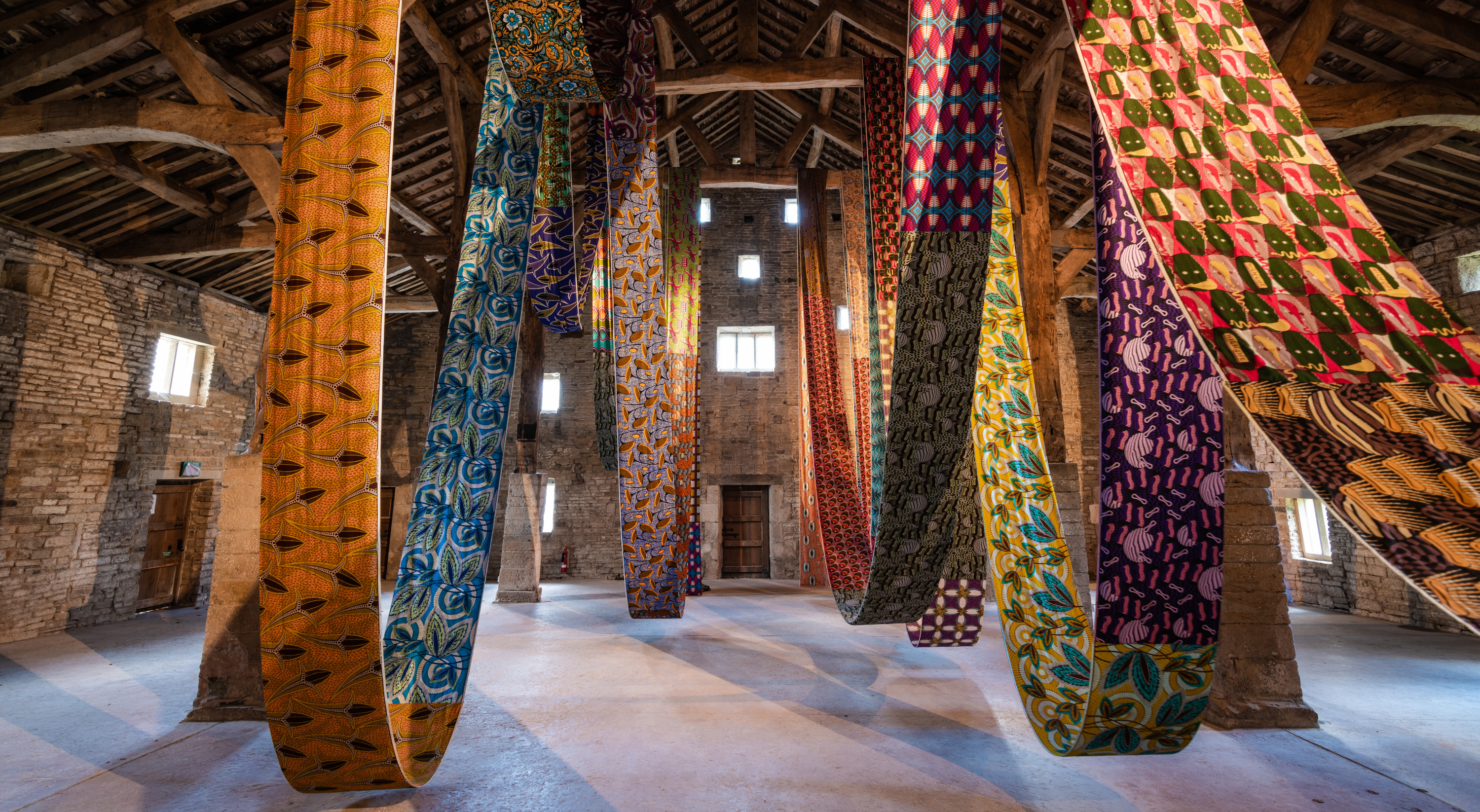
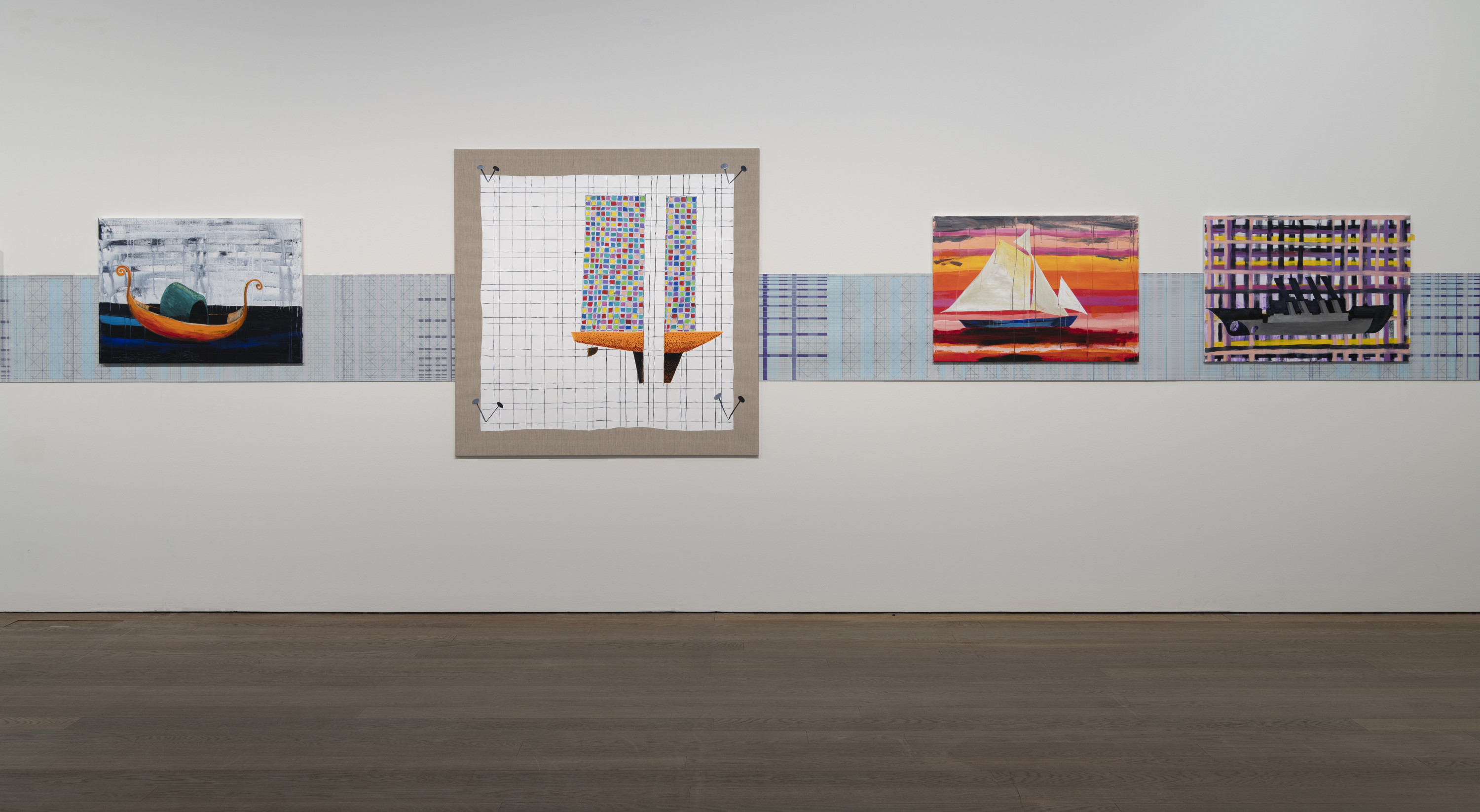
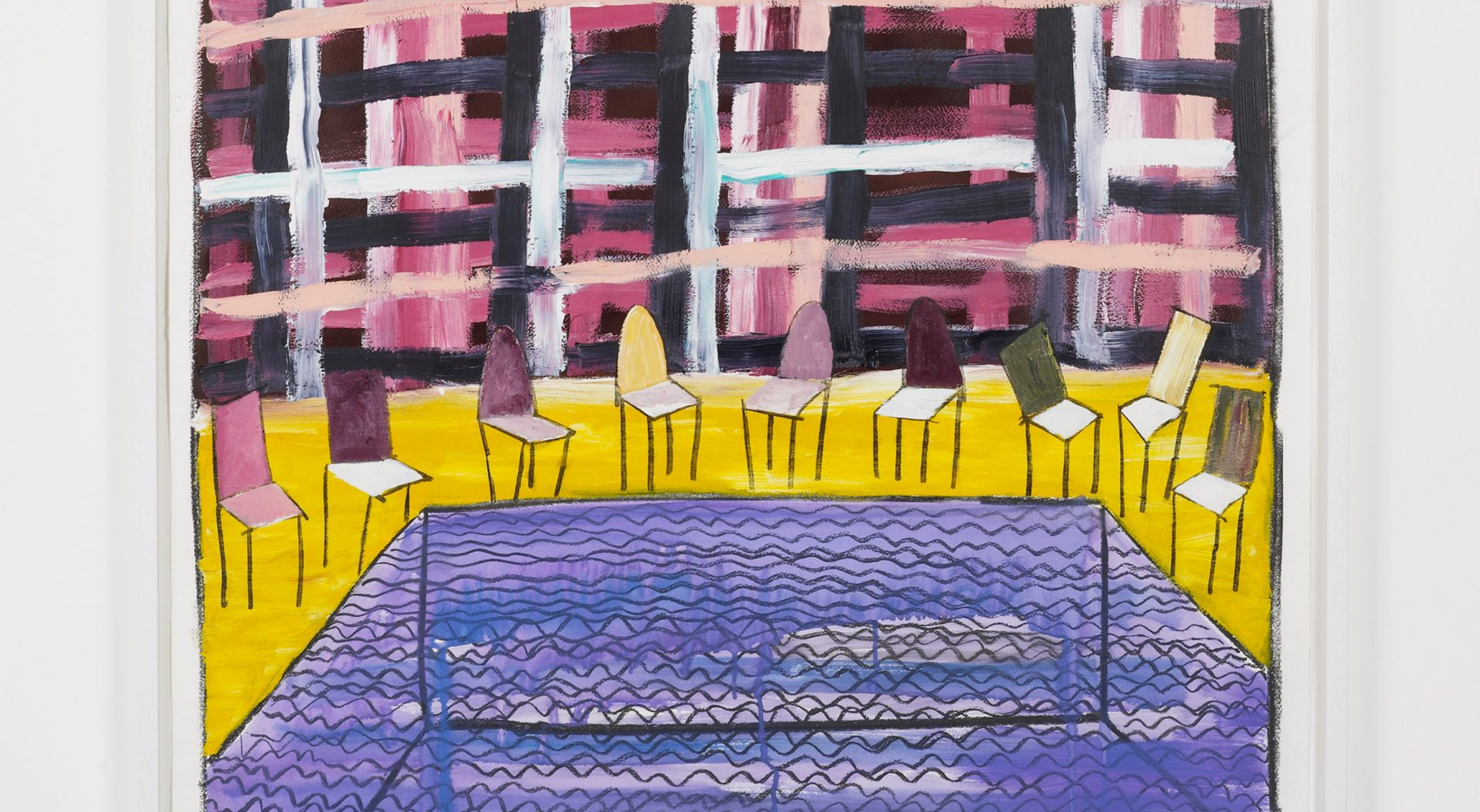
Marking the return of Festival d’Automne to the Chapelle Saint-Louis de la Salpêtrière, Lubaina Himid, in collaboration with Magda Stawarska, presents a new site-specific installation. Combining paintings, textile, printmaking, and sound, their project connects grand history narratives with individual lives experiences around the universal theme of waiting.
Since the mid-1980s, Himid (*1954, Zanzibar) has elaborated a multifaceted and sensitive work whose key topics include the genre of portraiture and how to renew it in the contemporary era, a reinterpretation of (British) art history, the highlighting of diasporic experiences, the question of belonging, and the representation of neglected stories and cultural figures—particularly Black and female figures—to embody emancipatory power.
In her practice, she weaves together critical thinking, personal narratives, and iconographic research, particularly focusing on the history of textiles and patterns as transnational objects. Architecture also plays a significant role in her work—the artist asking for example: “What kind of buildings do women want to live and work in? Has anyone ever asked us?” Figurative and meticulously crafted, her works are both accessible and imbued with a profound reflection on art’s transformative potential.
Since the late 2010s, Himid has regularly collaborated with Magda Stawarska (*1976, Ruda Śląska, Poland), whose work explores resonances between memory, place, and the self through soundscapes and “inner listening.” Together, they create multimedia installations in which listening, narrative fiction, and the audience’s movement through space are central.
At the Salpêtrière, Lubaina Himid and Magda Stawarska present a waiting room filled with presences, voices, and stories to listen, decipher, and relate to. A place where to wait, and hear, together.
Read the interview with Lubaina Himid
Alongside the exhibition Attendre ensemble at the Chapelle Saint-Louis de la Salpêtrière, Festival d’Automne and Musée d’Art Moderne de Paris are exhibiting A Fashionable Marriage (1986), a key artwork from Himid’s early career within the British Black Arts Movement. Forty years after its creation, this installation remains emblematic of her practice due to the precise interplay between a reinterpretation of art history—in this case, the English satirical tradition in the vein of William Hogarth, whose characters inspired the figures in the work—and a contemporary commentary on the state of British society.
See also
In the same place