Basel Abbas, Ruanne Abou-Rahme
Prisoners of Love : Until the Sun of Freedom
decemberdec 9 – 13
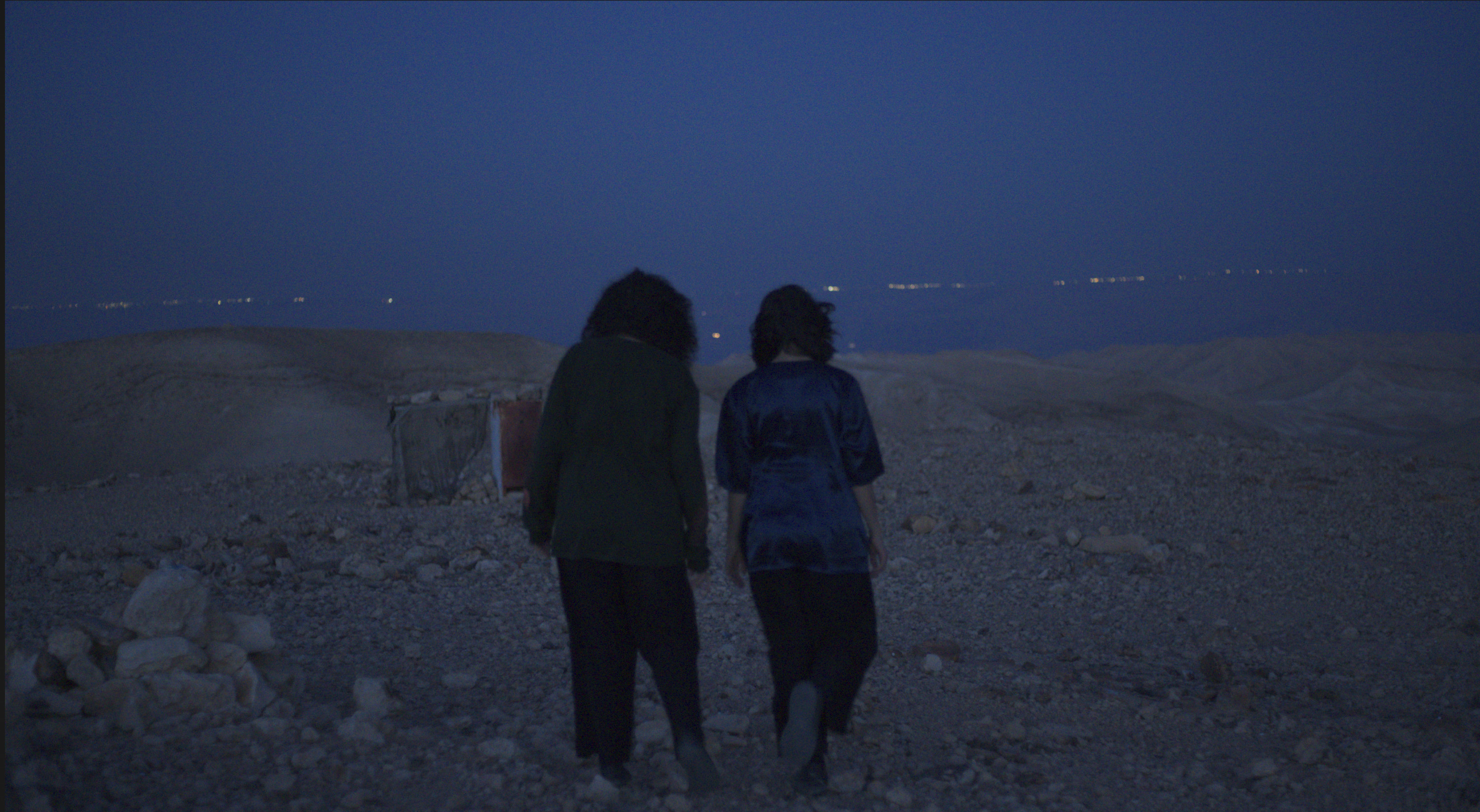
© Basel Abbas, Ruanne Abou-Rahme ©
© Basel Abbas, Ruanne Abou-Rahme ©
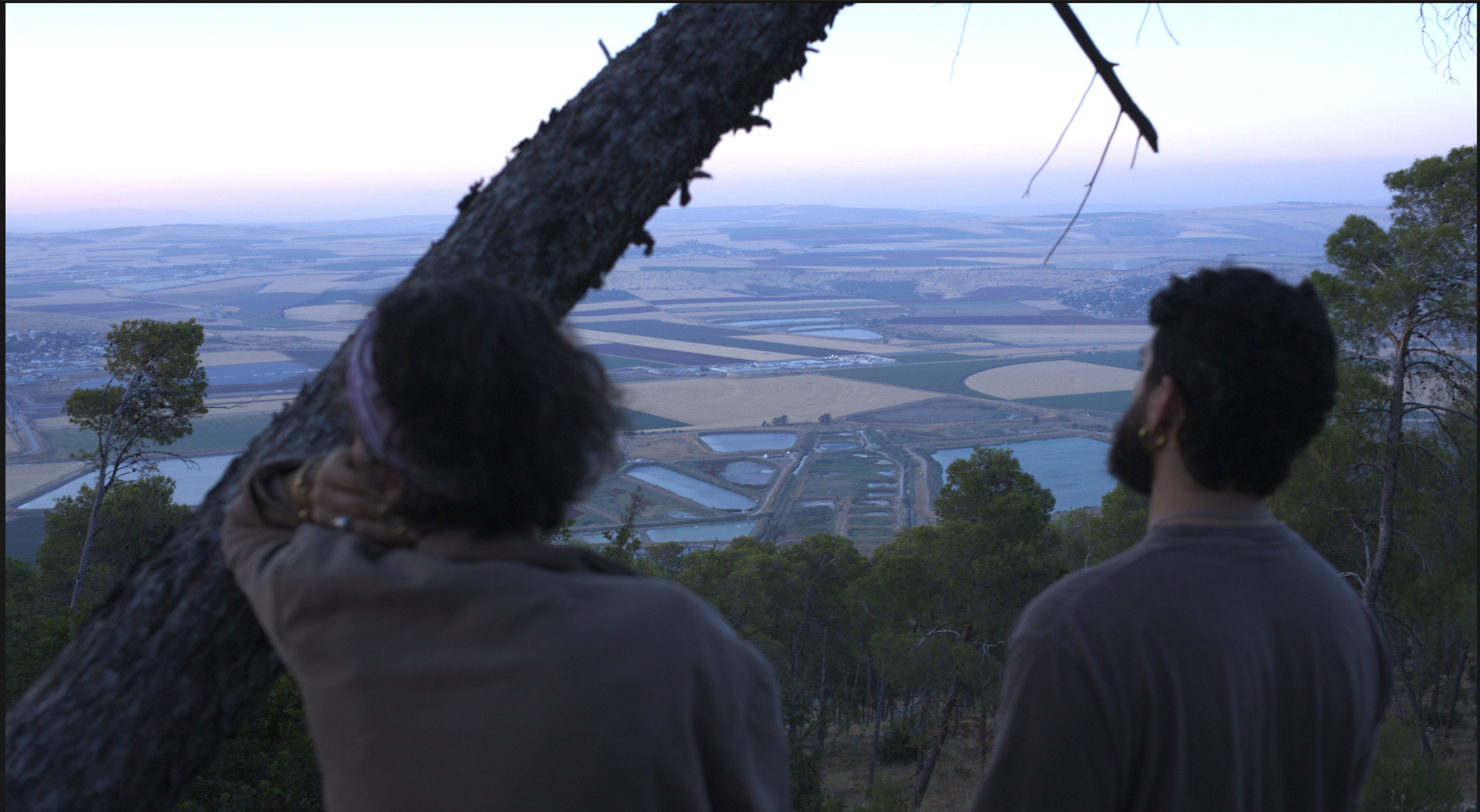
© Basel Abbas, Ruanne Abou-Rahme ©

Wednesday december 9
19h30
Thursday december 10
19h30
Friday december 11
19h30
Saturday december 12
19h30
Sunday december 13
16h
Live performance by Basel Abbas and Ruanne Abou-Rahme with Julmud. Concept, direction and editing by Basel Abbas and Ruanne Abou-Rahme. Camera Raouf Haj Yahia, Basel Abbas, Ruanne Abou-Rahme. Producer Adam Haj Yahia. Sound recordings Mohammed Nofal. Sound design Basel Abbas and Ruanne Abou-Rahme. Research Yara Abbas. Studio management Tamara Khasanova.
Centre Pompidou and Festival d’Automne à Paris are co-producers of this project and present it in co-production with Ircam-Centre Pompidou.
As part of the Centre Pompidou’s Constellation programme.
Production The Bell / Brown Arts Institute—Brown University ; Nottingham Contemporary, Kunstinstituut Melly
Coproduction Kunstenfestivaldesarts ; NW Open House for Contemporary Art and Film ; Festival d’Automne à Paris ; Centre Pompidou—Département culture et création
The Basel Abbas and Ruanne Abou-Rahme duo studied the songs and poems of Palestinians in Israeli jails from 1948 until the present day, elevating poetry to that of an act of resistance in response to the curbing of freedom. Prisoners of Love : Until the Sun of Freedom forms part of constantly evolving project that blends multimedia installation and performance.
Drawing upon recordings, interviews and texts, Basel Abbas and Ruanne Abou-Rahme interweave visual, sound and textual-based forms in order to evoke the experience of these small prisons present within a much larger prison, that of the Occupation. For this duo, with its origins in the Palestinian musical and video scene, sound is a crucial medium capable of transcending closed spaces. Here, the power of the poems and songs filters into the frontiers of the structures of repression, meanwhile image resists against the confines of the screen in order to bring about total immersion. In the course of a performative installation devised with the Palestinien musician Julmud and in reference to the novel Un captif amoureux (Prisoner of Love) by Jean Genet, centred on Palestine, this new work highlights the way in which poetry mobilises hope, enabling us to collectively imagine alternative futures, to the extent that prison walls fall to the ground.
In the same place