Walid Raad
Festival of (in)gratitude
© Walid Raad ©
© Walid Raad ©
© Walid Raad ©
Friday october 23
15h - 18h
Saturday october 24
14h - 17h
Sunday october 25
14h - 17h
Wednesday october 28
15h - 18h
Thursday october 29
15h - 18h
Friday october 30
15h - 18h
Saturday october 31
14h - 17h
Sunday november 1
14h - 17h
Wednesday november 4
15h - 18h
Thursday november 5
15h - 18h
Friday november 6
15h - 18h
Saturday november 7
14h - 17h
Sunday november 8
14h - 17h
Wednesday november 11
15h - 18h
Thursday november 12
15h - 18h
Friday november 13
15h - 18h
Saturday november 14
14h - 17h
Sunday november 15
14h - 17h
Wednesday november 18
15h - 18h
Thursday november 19
15h - 18h
Friday november 20
15h - 18h
Saturday november 21
14h - 17h
Sunday november 22
14h - 17h
Friday october 23
18h - Visite guidée par l'artiste
Saturday october 24
17h - Visite guidée par l'artiste
Saturday october 24
18h30 - Visite guidée par l'artiste
Sunday october 25
17h - Visite guidée par l'artiste
Sunday october 25
18h30 - Visite guidée par l'artiste
Wednesday october 28
18h - Visite guidée par l'artiste
Thursday october 29
18h - Visite guidée par l'artiste
Friday october 30
18h - Visite guidée par l'artiste
Saturday october 31
17h - Visite guidée par l'artiste en anglais
Saturday october 31
18h30 - Visite guidée par l'artiste
Sunday november 1
17h - Visite guidée par l'artiste
Sunday november 1
18h30 - Visite guidée par l'artiste
Wednesday november 4
18h - Visite guidée par l'artiste
Thursday november 5
18h - Visite guidée par l'artiste
Friday november 6
18h - Visite guidée par l'artiste
Saturday november 7
17h - Visite guidée par l'artiste en anglais
Saturday november 7
18h30 - Visite guidée par l'artiste
Sunday november 8
17h - Visite guidée par l'artiste
Sunday november 8
18h30 - Visite guidée par l'artiste
Wednesday november 11
18h - Visite guidée par l'artiste
Thursday november 12
18h - Visite guidée par l'artiste
Friday november 13
18h - Visite guidée par l'artiste
Saturday november 14
17h - Visite guidée par l'artiste en anglais
Saturday november 14
18h30 - Visite guidée par l'artiste
Sunday november 15
17h - Visite guidée par l'artiste
Sunday november 15
18h30 - Visite guidée par l'artiste
Wednesday november 18
18h - Visite guidée par l'artiste
Thursday november 19
18h - Visite guidée par l'artiste
Friday november 20
17h - Visite guidée par l'artiste
Saturday november 21
17h - Visite guidée par l'artiste en anglais
Saturday november 21
18h30 - Visite guidée par l'artiste
Sunday november 22
17h - Visite guidée par l'artiste
Sunday november 22
18h30 - Visite guidée par l'artiste
Coproduction Moderna Galerija (Ljubljana)
Special thanks to The Museum of Mortal Guilt (Beirut)
Walid Raad is represented by the Paula Cooper Gallery (New York) and the Sfeir-Semler Gallery (Beirut and Hamburg)
With the support of Sylvie Winckler
The CENTQUATRE-PARIS and le Festival d’Automne à Paris are the exhibition’s producers and are presenting it as a corealisation.
Event organised as part of the 2026 Mediterranean Season
With the support of Sylvie Winckler.
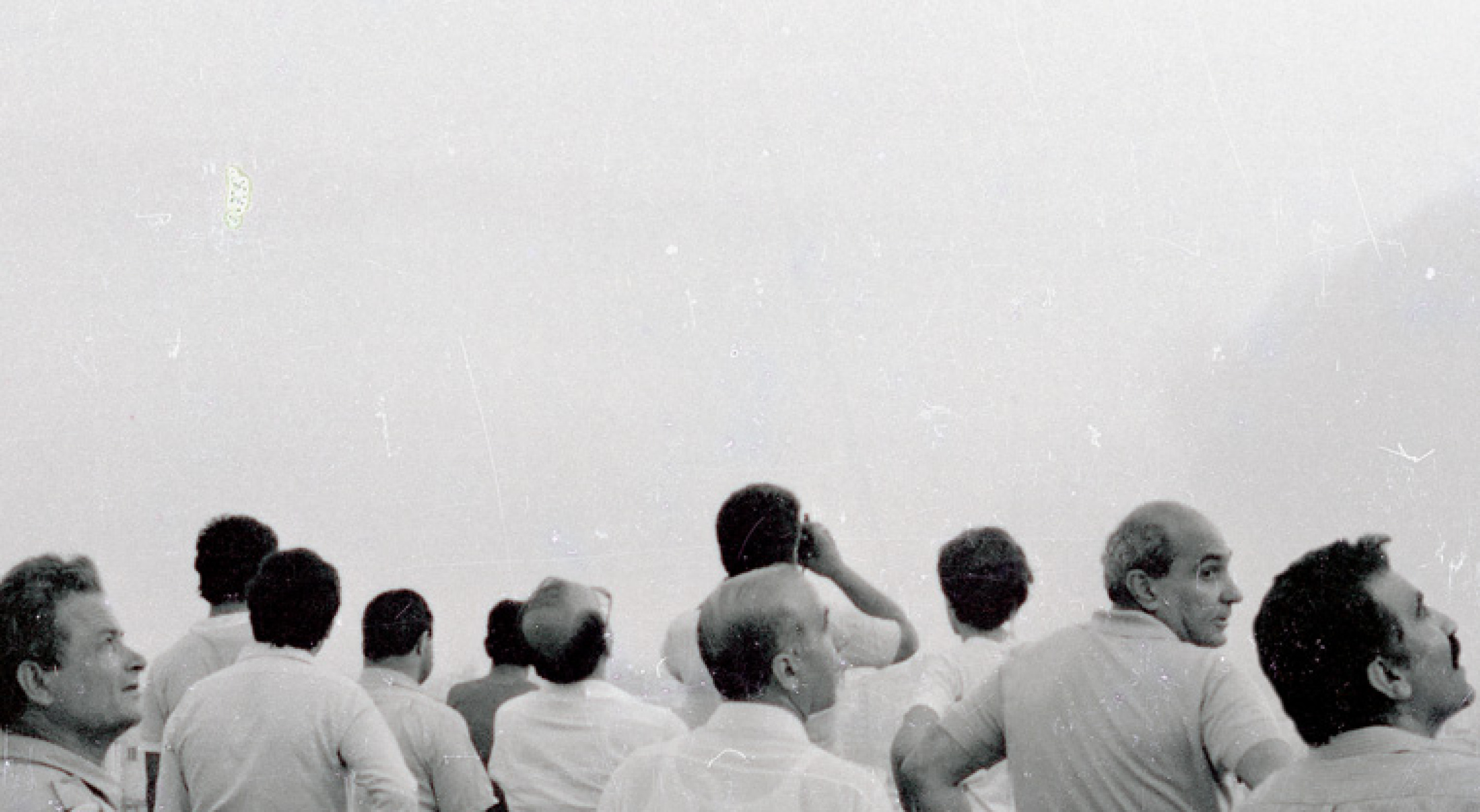
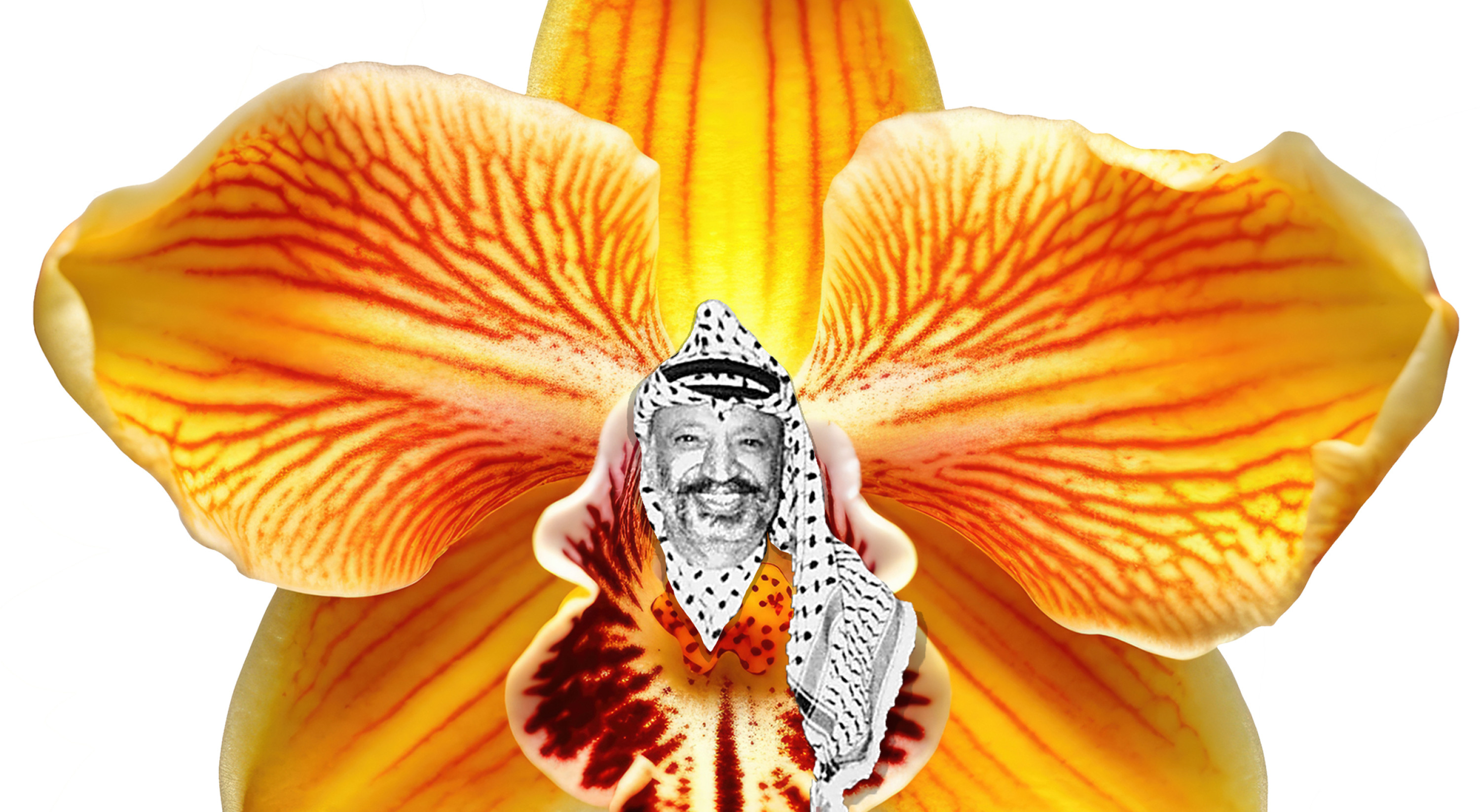
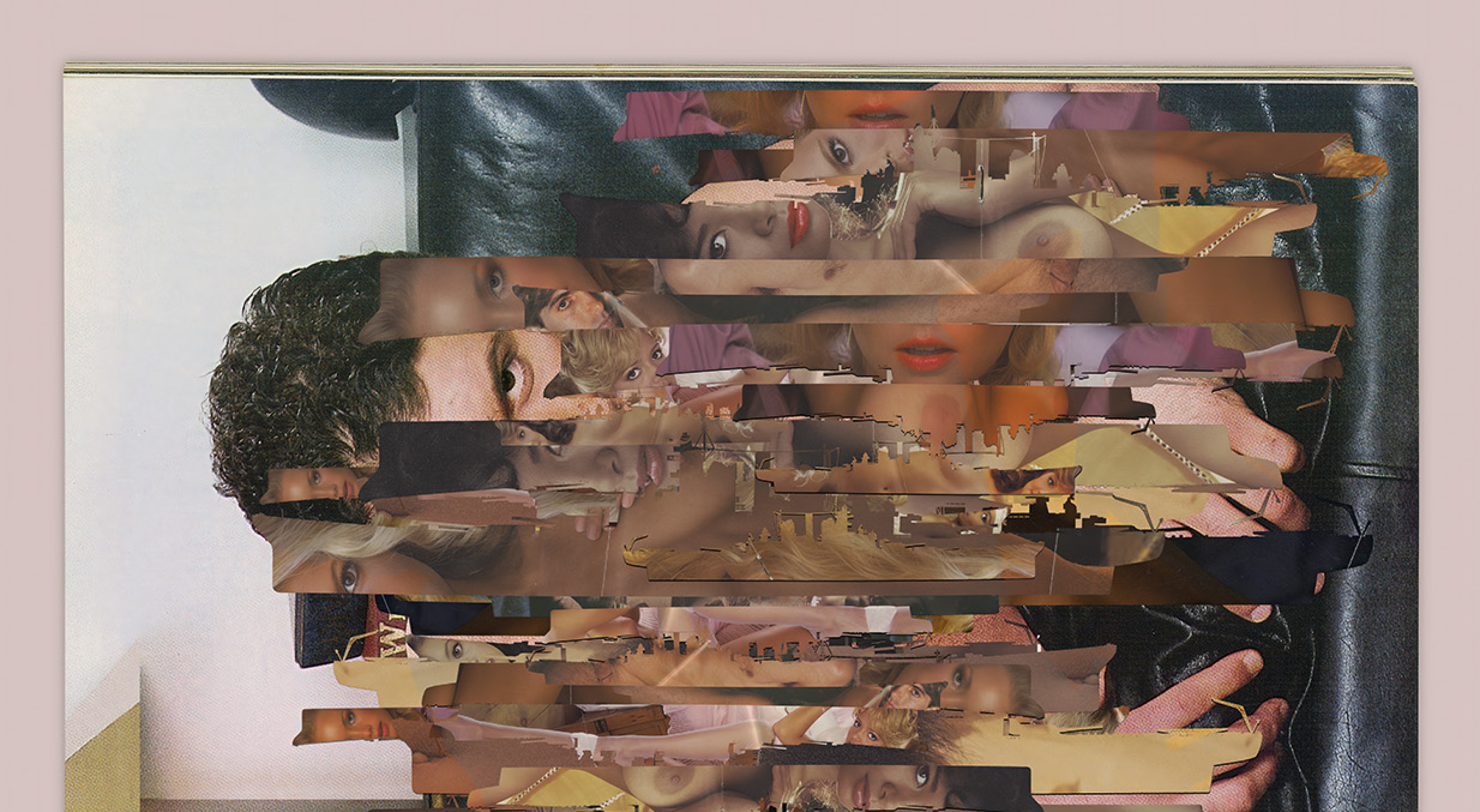
Becoming the guide for his own exhibition, Walid Raad returns to the Festival d’Automne and takes us on a stroll from Beirut to Tunis, and from the mountains of Lebanon to Ljubljana. Between missile craters and memory gaps, we gradually abandon the temptation to distinguish what is created from what is found, thereby prompting us to focus on what art and history do to images.
Walid Raad invites us to wander among a collection of recent works taken from his three long-term projects, presented, among others, at the Festival d’Automne: The Atlas Group, based on the different wars of present-day Lebanon; Sweet Talk, on the reconstruction of Beirut after 1990; and Scratching on Things I could Disavow, on art history in the Arab world. Visitors have the experience of a dual cultural mediation: aesthetic, on the one hand, via the different works and Walid Raad’s formal treatment of the documentation collected during his research; and narrative, on the other, the guided visit, interweaving, in a narrative which is full of surprises and digressions, the different elements that link together these works which, at first, seem to have little much in common. The point of departure is a crossroads in history which bears uncanny similarities to our present day—the years 1982-1983 with the occupation of Lebanon, the massacres of Sabra and Chatila and the expulsion of the Palestinian Liberation Organisation in the direction of Tunis—and unfurls their various diffractions in time and space. What is the link between the Volkswagen Beetle, the USS New Jersey aircraft carrier, Yasser Arafat’s beds, real estate mafias, the magazine Playgirl and the reserves of the museum of Ljubljana. Going beyond the answer to this question, Festival of (in)gratitude invites a profound reflection on art and history, emotion and memory, guilt and vampires.