Sylvain Creuzevault
Pétrole
novembernov 25 - december – dec 25
© Jean-Louis Fernandez ©
© Jean-Louis Fernandez ©
© Jean-Louis Fernandez ©
After the novel by Pier Paolo Pasolini, Petrol, translated from Italian by René de Ceccatty.
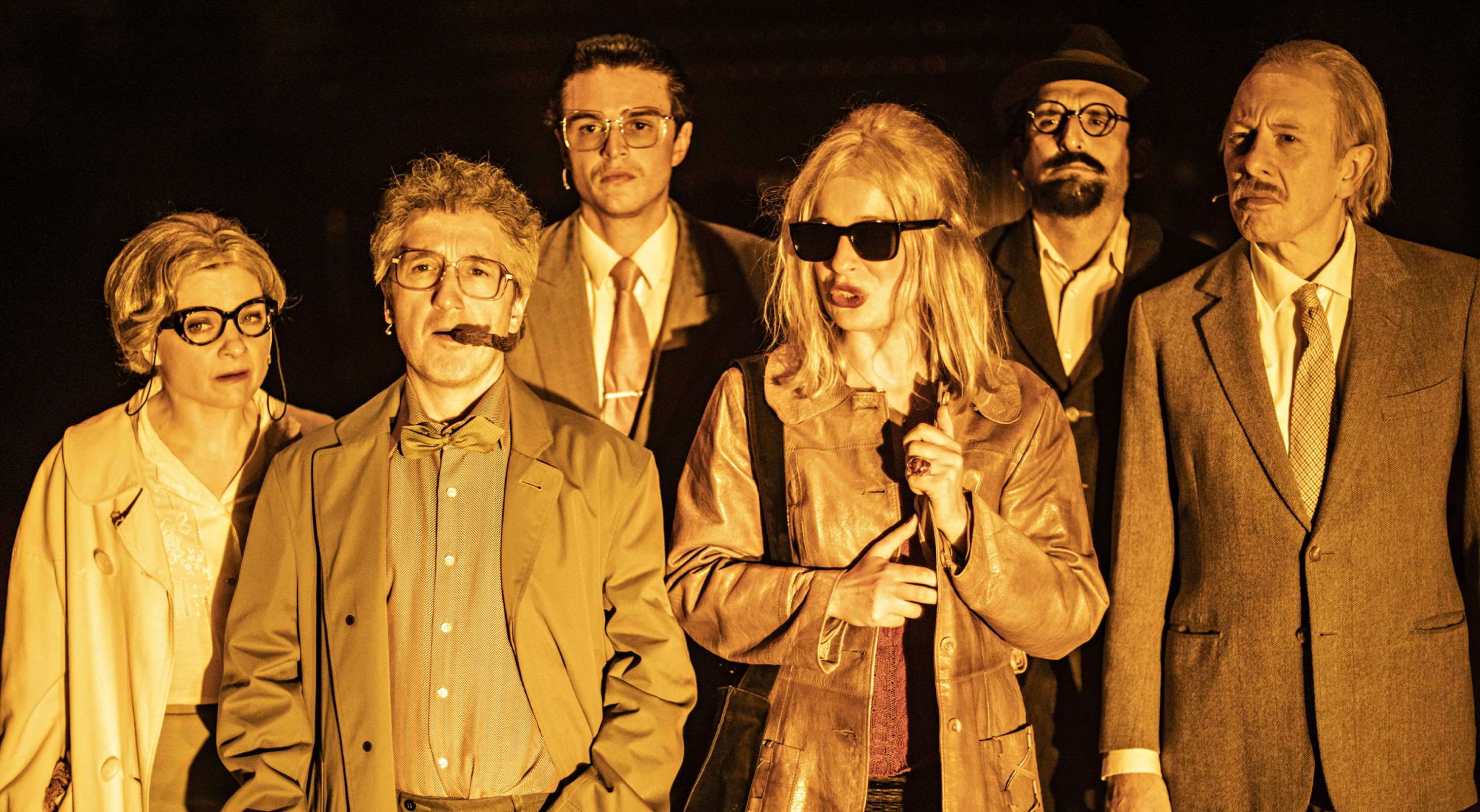
Adaptation and direction Sylvain Creuzevault. With Sharif Andoura, Pauline Bélier, Gabriel Dahmani, Boutaïna El Fekkak, Pierre-Félix Gravière, Anne-Lise Heimburger, Arthur Igual, Sébastien Lefebvre. Set design Jean-Baptiste Bellon, Valentine Lê. Lighting Vyara Stefanova. Music Pierre-Yves Macé. Sound Loïc Waridel. Video Simon Anquetil. Video framing François-Joseph Botbol. Costumes Constant Chiassai-Polin. Helmets Loïc Nébréda. Make-up, wigs Mityl Brimeur. Assistant directors Émilie Hériteau, Ivan Marquez. Stage manager Clément Casazza. Prop manager Camille Menet. Light manager Lison Royet. Dressing Sarah Barzic. Mask intern Toscane Piard. Set design intern Lévana Tortolo. Costume interns Agathe Brau, Mahë Foubert. Administration Anne-Lise Roustan. Production and distribution management Élodie Régibier.
With the invaluable contribution of Graziella Chiarcossi and Matteo Cerami.
Production Le Singe
Coproduction Odéon – Théâtre de l'Europe; Festival d’Automne à Paris; Bonlieu Scène nationale d'Annecy; La Comédie de Saint-Étienne; La Comédie de Reims – Centre Dramatique national; L'Empreinte – Scène nationale Brive-Tulle; La Comète – Scène nationale de Châlons-en-Champagne; Les Célestins – Théâtre de Lyon; Théâtre Vidy-Lausanne; Malraux Scène nationale Chambéry Savoie, as part of the Franco-Swiss Interreg Project No. 20919 – LACS – Annecy-Chambéry-Besançon-Geneva-Lausanne
With the support of Théâtre du Soleil
With the artistic participation of Jeune théâtre national
The company is supported by the Drac Île-de-France – Ministry of Culture and by the Île-de-France Region
Pier Paolo Pasolini's novel Pétrole, translated from Italian by René de Ceccatty, is published by Gallimard, Collection L'Imaginaire, 2022 (revised and expanded edition, first published in 1995)
With the support of the Italian Cultural Institute in Paris
In partnership with France Culture
The Odéon Théâtre de l'Europe and the Festival d'Automne à Paris are co-producers of this show and present it as a co-realisation.
With the support of

In partnership with

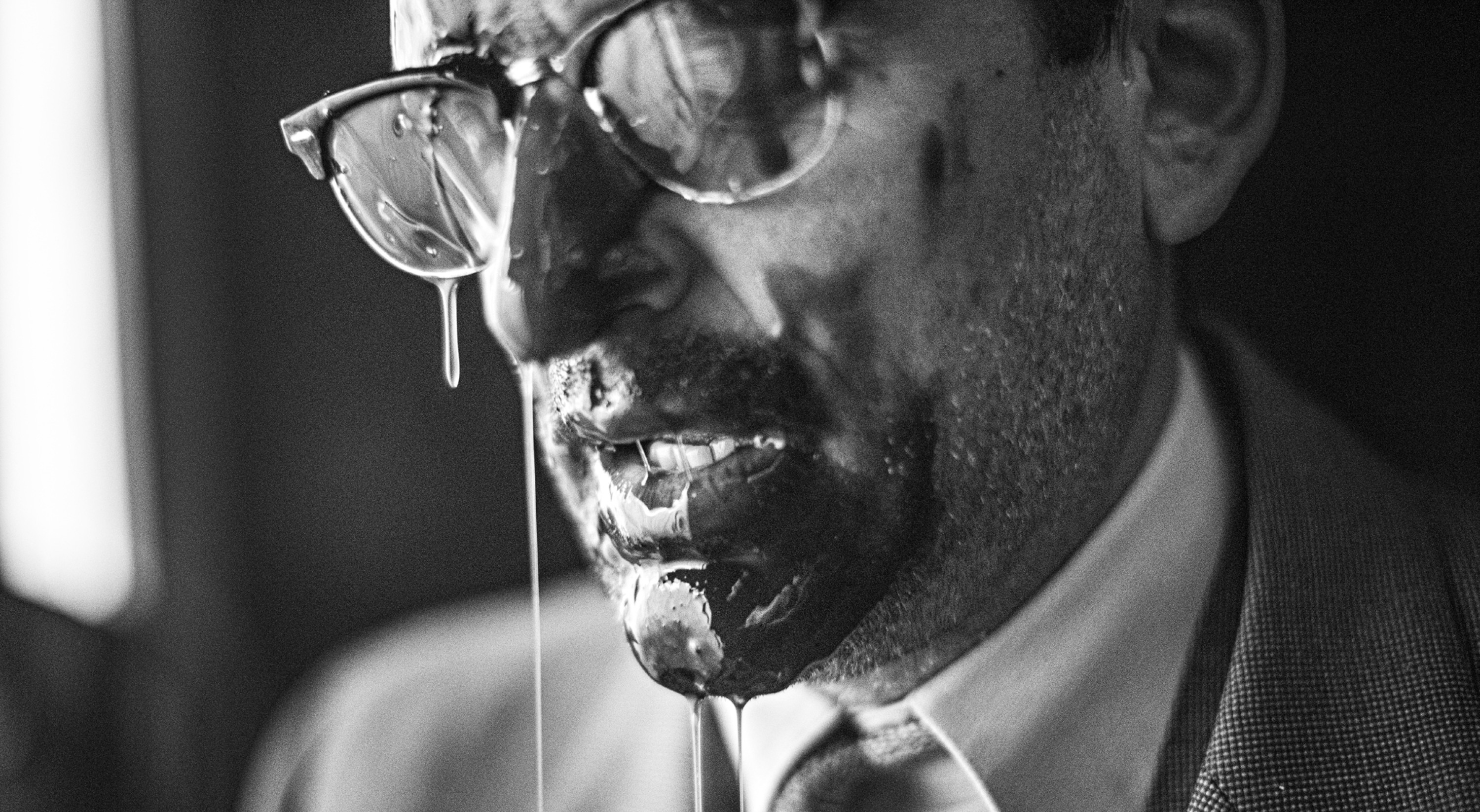
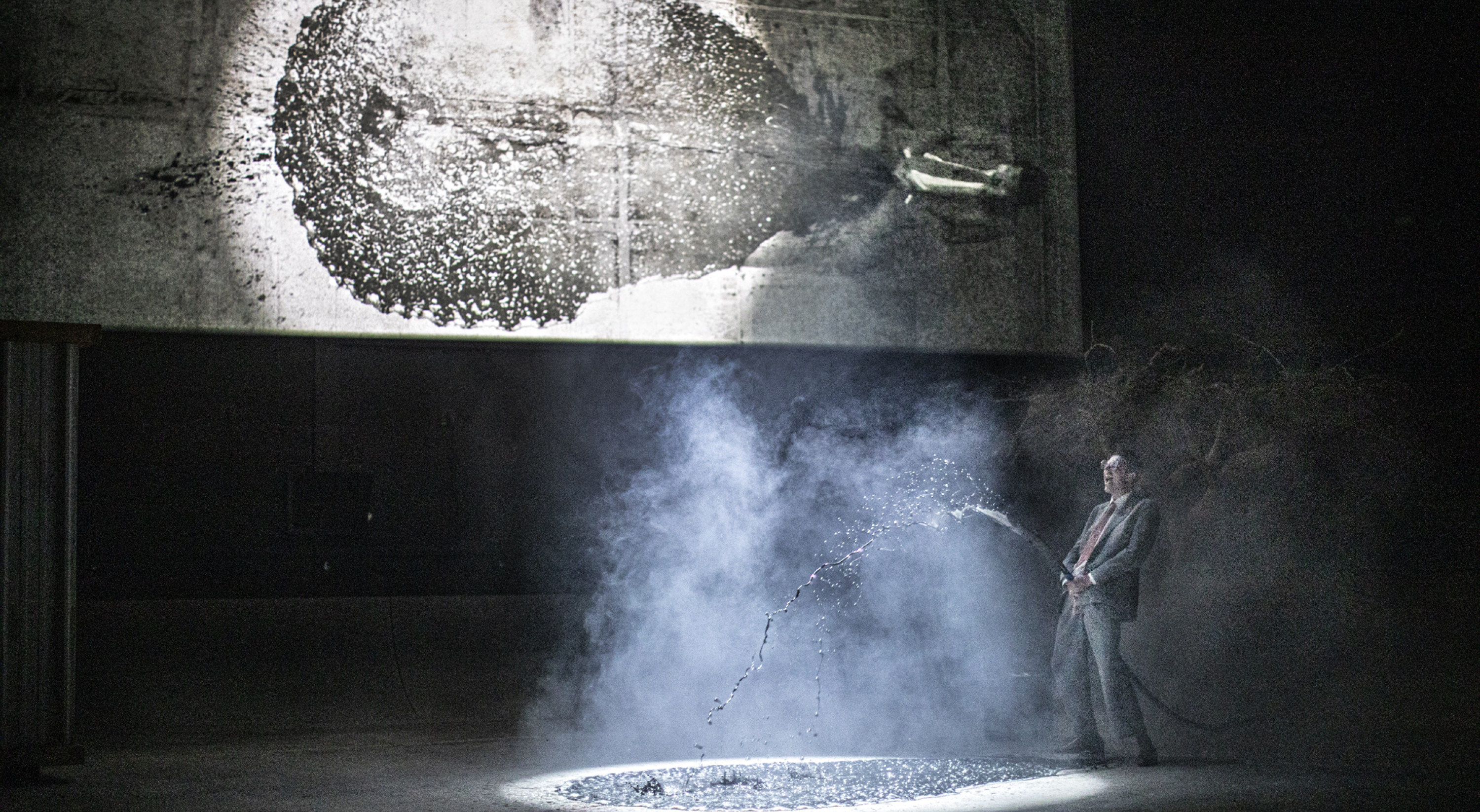
In Pétrole, Sylvain Creuzevault tackles one of Pasolini's most ambitious projects. Via a text which has much in common with his brand of theatre – fragmentary and cascade-like, burlesque and spine-chilling – he continues his exploration into the foundations of our society.
Published seventeen years after his death, Pétrole (Petrolio) is one of Pier Paolo Pasolini's very last works-in-progress. Described by the director as "a continuity of forces in a discontinuity of forms", this collection of stories and its multiplicity of points of view seems to respond as much to the search for a new novel-based playing space as it does to the desire, in political terms, to better come to terms with an Italy in the grip of a strategy of tension. Pasolini’s fragmentary writing presents itself in a series of notes in which different visions, in the form of snippets of information, novelistic sketches, mystical fables, aesthetic and political reflections, are juxtaposed without any apparent logic. This enables the intertwining of the two parallel journeys that the engineer Carlo Valletti embarks upon, namely his meteoric rise within the ENI Oil Company and unbridled quest for sexual adventure. By giving shape to the wastelands of Pasolini's vision of heaven and hell in Italy of the 1960s and 1970s, the director continues to examine the genealogy of the struggles that have shaped our contemporary social organization.
In the same place
Metro 4 et 10 : Station Odéon
RER B: Luxembourg
RER C : Saint-Michel
Bus : 63, 87, 86, 70, 96, 58
Parkings : rue Soufflot ; Place St Sulpice ; rue de l'Ecole de Médecine
Vélib' : stations 6028, 6017, 6016