Wichaya Artamat, Pathipon (Miss Oat), Pornpan Arayaveerasid, Rueangrith Suntisuk
SIX DAYS IN OCTOBER (The Dead Still Riot)
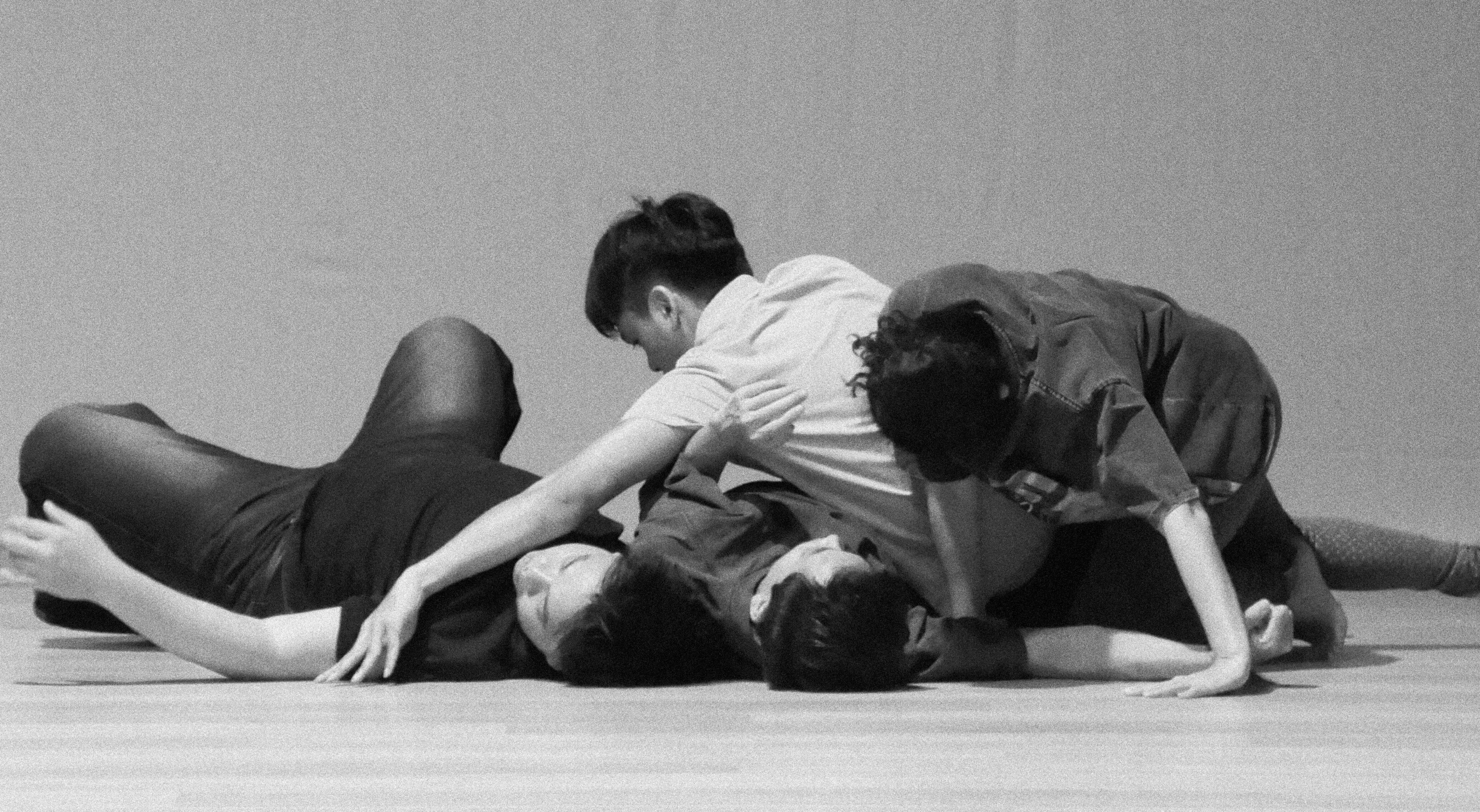
© Wichaya Artamat, Six days in October ©

© Wichaya Artamat, Six Days in October ©
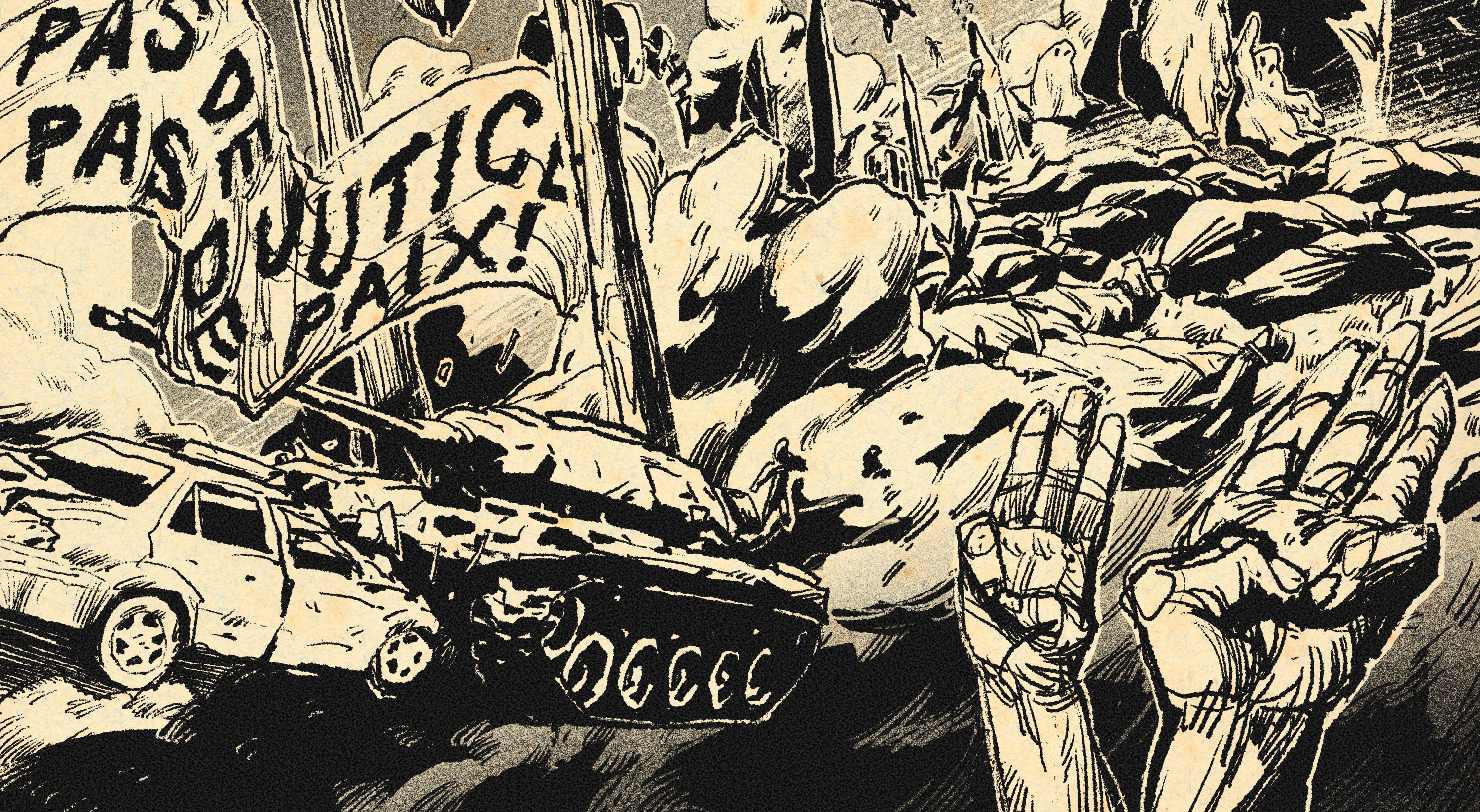
© Sina Wittayaroj ©

Metro : Bastille, Voltaire ou Bréguet-Sabin
Bus : 69 (Commandant Lamy), 61 (Basfroi)
Vélib' : 37 rue de la Roquette, 29 rue Keller, 169 avenue Ledru-Rollin, 9 rue Froment
Monday october 12
20h
Tuesday october 13
20h
Wednesday october 14
20h
Friday october 16
20h
Saturday october 17
18h
Concept Wichaya Artamat, Pathipon (Miss Oat), Pornpan Arayaveerasid, Rueangrith Suntisuk. Cast Witwisit Hirunyawongkul, Pathavee Thepkraiwan, Peangdao Jariyapun and Wasu Wanlayangkoon. Sound Design 28Productions (Rapeedech Kulabusaya, Trisdee na Patalung, Parkpume Charoenviriya, Saranrat Sangchai). Costume Nicha Buranasamrit. Stage Management Surat Kaewseekram. Production Management Peerapol Kijreunpiromsuk. Producer Sasapin Siriwanij. Key Visual Design Sina Wittayawiroj. Translation Supawat Chomchan, Panthea.
Co-production Festival d’Automne, For What Theatre, AsiaTOPA, Arts Centre Melbourne,
Residency support Alliance Française de Bangkok
The Festival d'Automne in Paris is co-producer of this show and presents it in co-realisation with the Théâtre de la Bastille.
In a continuation of his installation The Dead Still Riot presented in 2025, the Thai director Wichaya Artamat calls upon, in a hybrid, fragmentary performance, the ghosts of insurrections from the past, and fertile breeding ground for those to come. In doing so, he imagines the transmission of a memory rooted in revolution across eras and places.
From the student massacre perpetrated at Thammasat university in October 1976 up to the uprising of the Thai youth in 2020, the country’s contemporary history has been that of an unending cycle of coups d’état and repression, the violence of which has been made invisible by the construction of an official collective memory. Wichaya Artamat’s uses what remains of these past revolts—testimonies, ghosts and emotions—as the point of departure for a new theatre of resistance, in order that unfinished struggles can feed into the imagination of revolutions to come. The sparse playing space reveals the very mechanisms of the theatre, a ghostly presence with which the performers must contend. Standing up against censorship, authoritarianism and the injunctions of dominant ideology, Wichaya Artamat, Pathipon (Miss Oat), Pornpan Arayaveerasid and Rueangrith Suntisuk bring us a work that shifts between mourning and invocation, at the intersection between historical reconstitution, meta-theatre performance and revolutionary fiction.
In the same place

Metro : Bastille, Voltaire ou Bréguet-Sabin
Bus : 69 (Commandant Lamy), 61 (Basfroi)
Vélib' : 37 rue de la Roquette, 29 rue Keller, 169 avenue Ledru-Rollin, 9 rue Froment