François Chaignaud
Récital
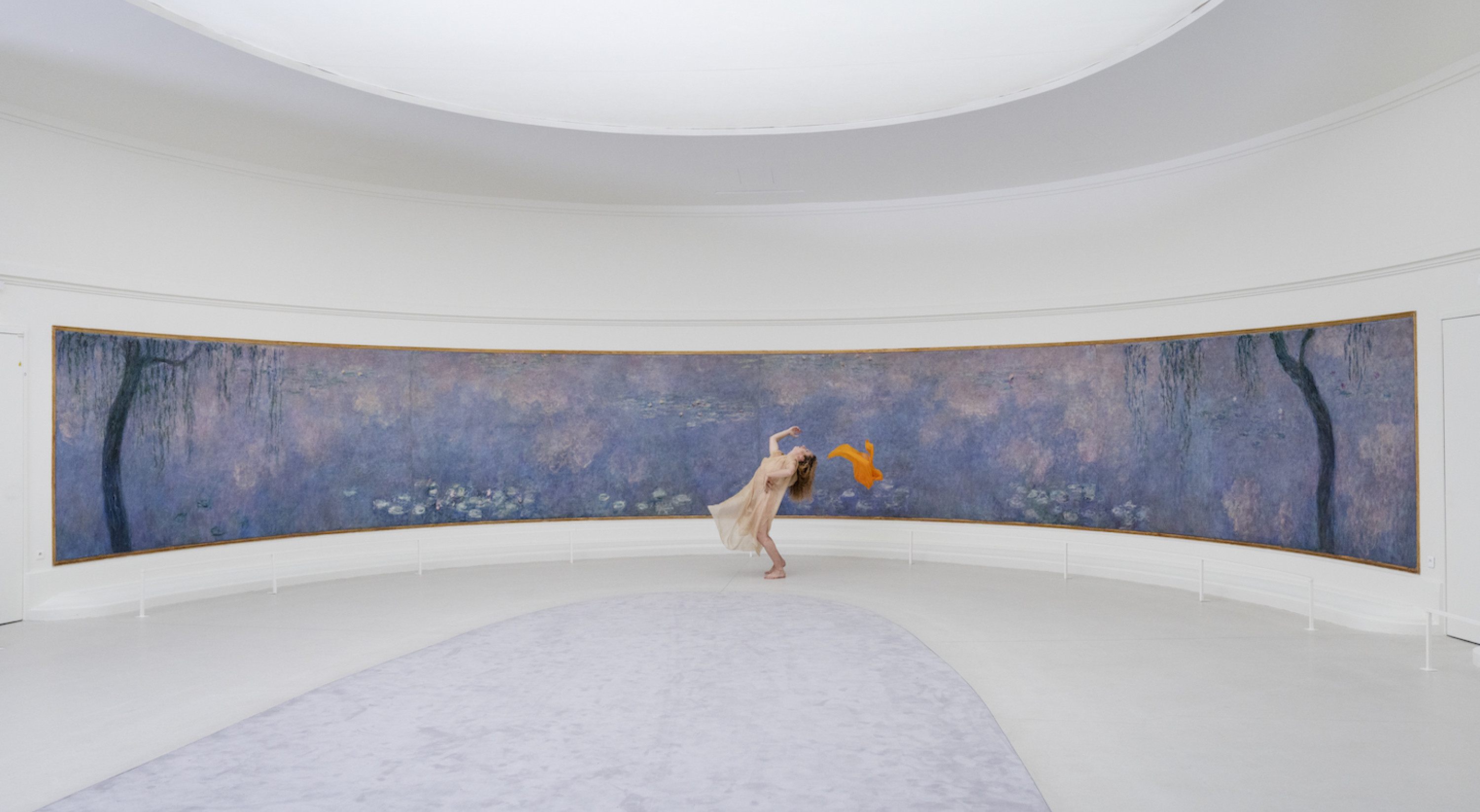
© Récital, François Chaignaud ©
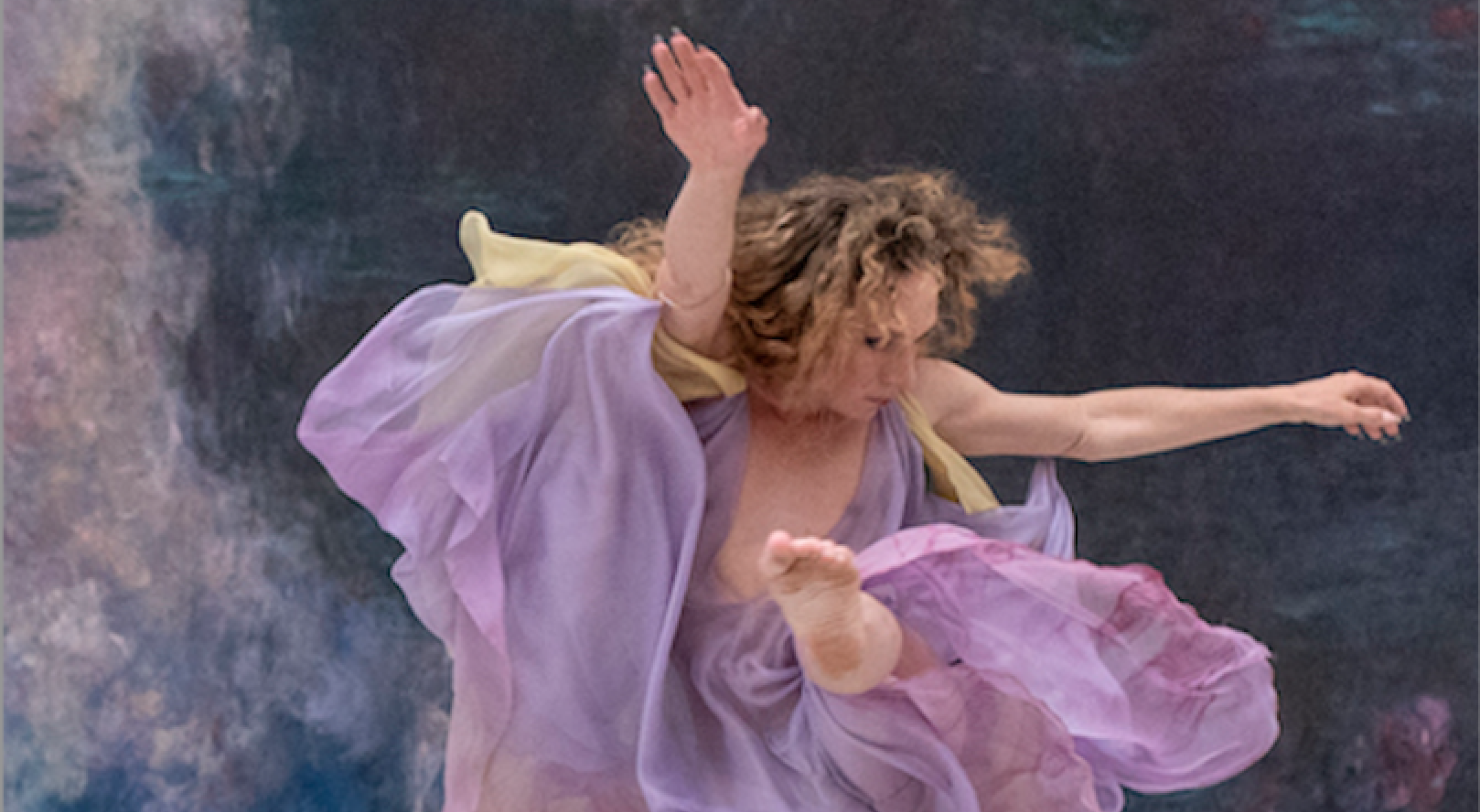
© Récital, François Chaignaud ©
Based on the work of Isadora Duncan.
Concept and performance François Chaignaud. Dance transmission Elisabeth Schwartz. Piano Romain Louveau. Costumes Romain Brau. Administration, production, national distribution Mandorle productions (Chloé Perol, Jeanne Lefèvre, Emma Forster). International distribution A PROPIC Line Rousseau Marion Gauvent.
The song ‘Je suis née par-delà l'Atlantique’ is taken from Cantate pour les années folles by Nosfell, text by Anne James Chaton, 2017.
Executive production Mandorle Productions
Supported by Fondation Louis Vuitton, Musée de l'Orangerie, Miroirs Étendus, La Brèche Festival, La Ménagerie de Verre as part of StudioLab
Music
Träumerei
Opus 12 N°1 / Robert Schumann
Danse des Furies (creation 1911)
Orphée et Eurydice, acte II scène 1 / Christoph Willibald Gluck
Prélude
Opus 28 N°20 / Frédéric Chopin
Je suis née par-delà l’Atlantique (2017)
Cantate pour les années folles by Nosfell with an Anne James Chaton's text
Valse
Opus 39 N°15 / Johannes Brahms
Valse
Opus 39 N°9 / Johannes Brahms
Danse du foulard (creation vers 1904)
Mazurka in A minor, Opus 68 N°2 / Frédéric Chopin
Water Studies (creation 1917)
Valse, Opus 91 (D924) N°12 / Franz Schuber
Folâtrerie (creation around 1910)
Valse, Opus 39 N°11 / Johannes Brahms
Flammes de Cœur (creation around 1910)
Valse, Opus 39 N°14 / Johannes Brahms
Narcisse (creation 1905)
Valse, Opus 64 N°2 / Frédéric Chopin
With the support of

La Fondation d’entreprise Hermès soutient les tournées dans les universités.
Throughout this miniature recital, there emerges the strangeness, multiplicity and paradoxical relevance of the bodies shaped by Isadora Duncan at the beginning of the 20th century.
Born into a changing world, these dances express an intense desire for reconquest: between nostalgia for a lost world, fantasies of a return to nature, a taste for travel, and the sensuality of a body marked by modern melancholy. Revisiting them means both studying a repertoire steeped in history and questioning our current ways of creating and dancing. The forms she invents exude an era, an ideological and poetic landscape. Isadora Duncan dazzles our blind spots.
In the same place