Laila Soliman
Story of…
septembersept 24 – 27
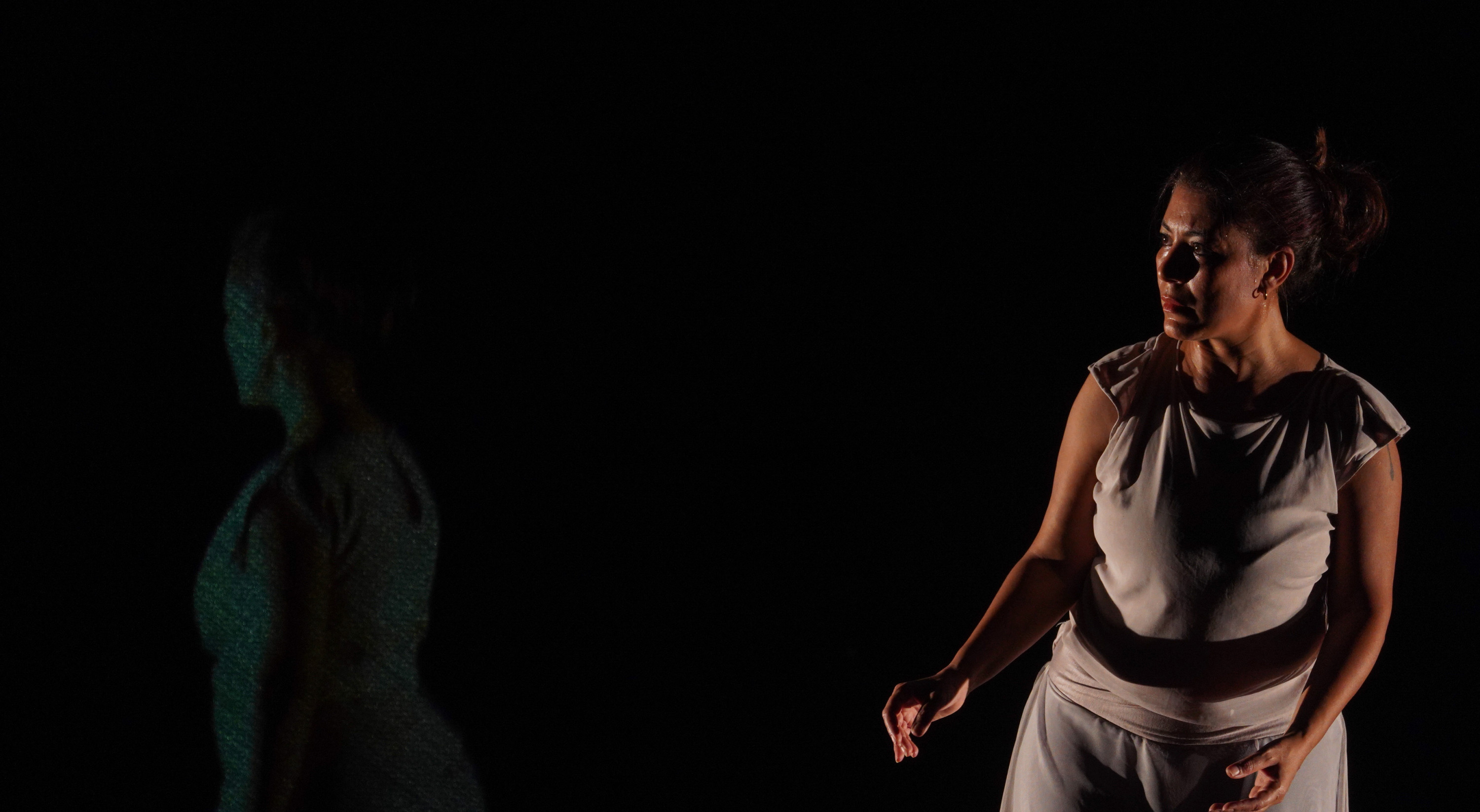
© Ahmed Al Saaty ©
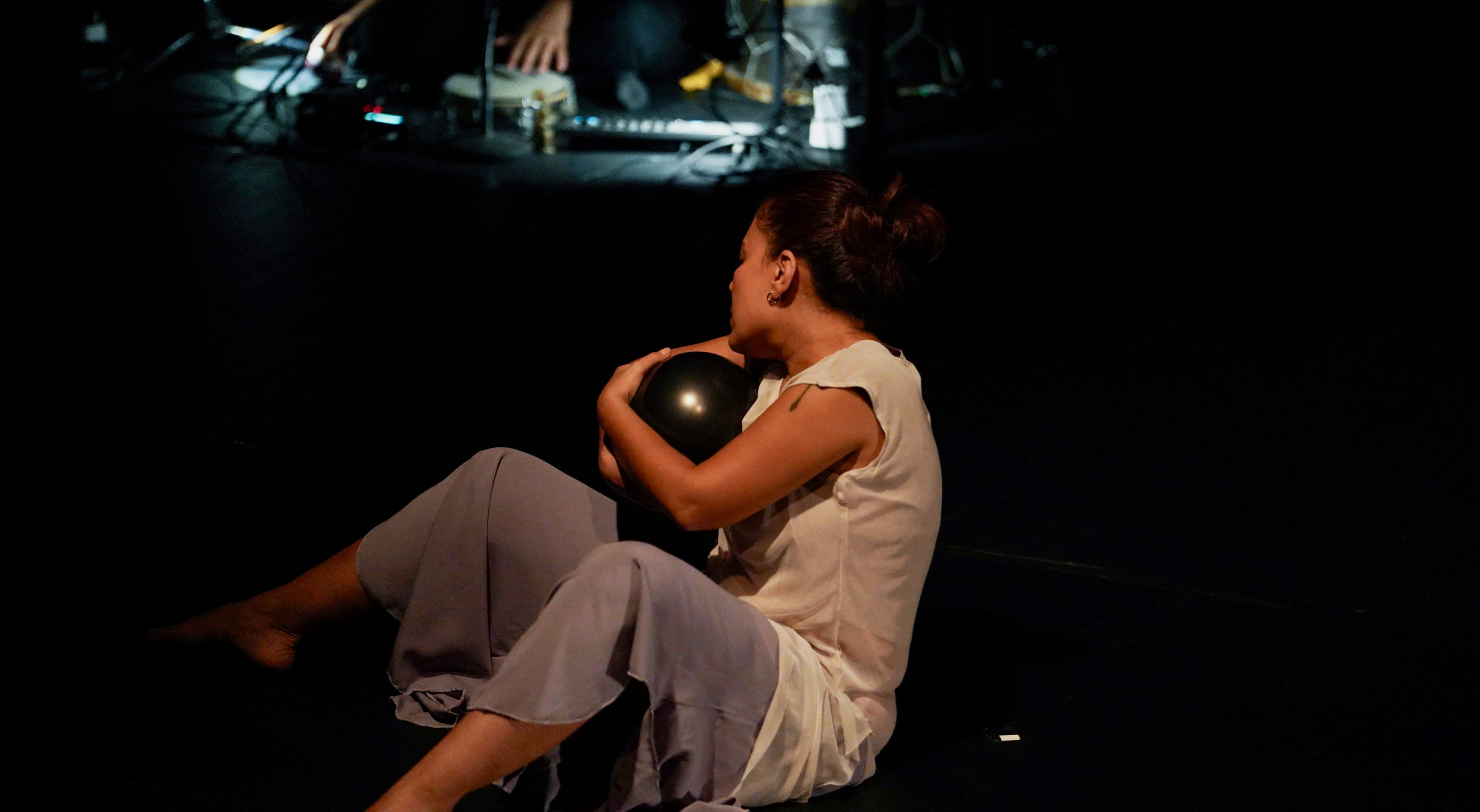
© Ahmed Al Saaty ©
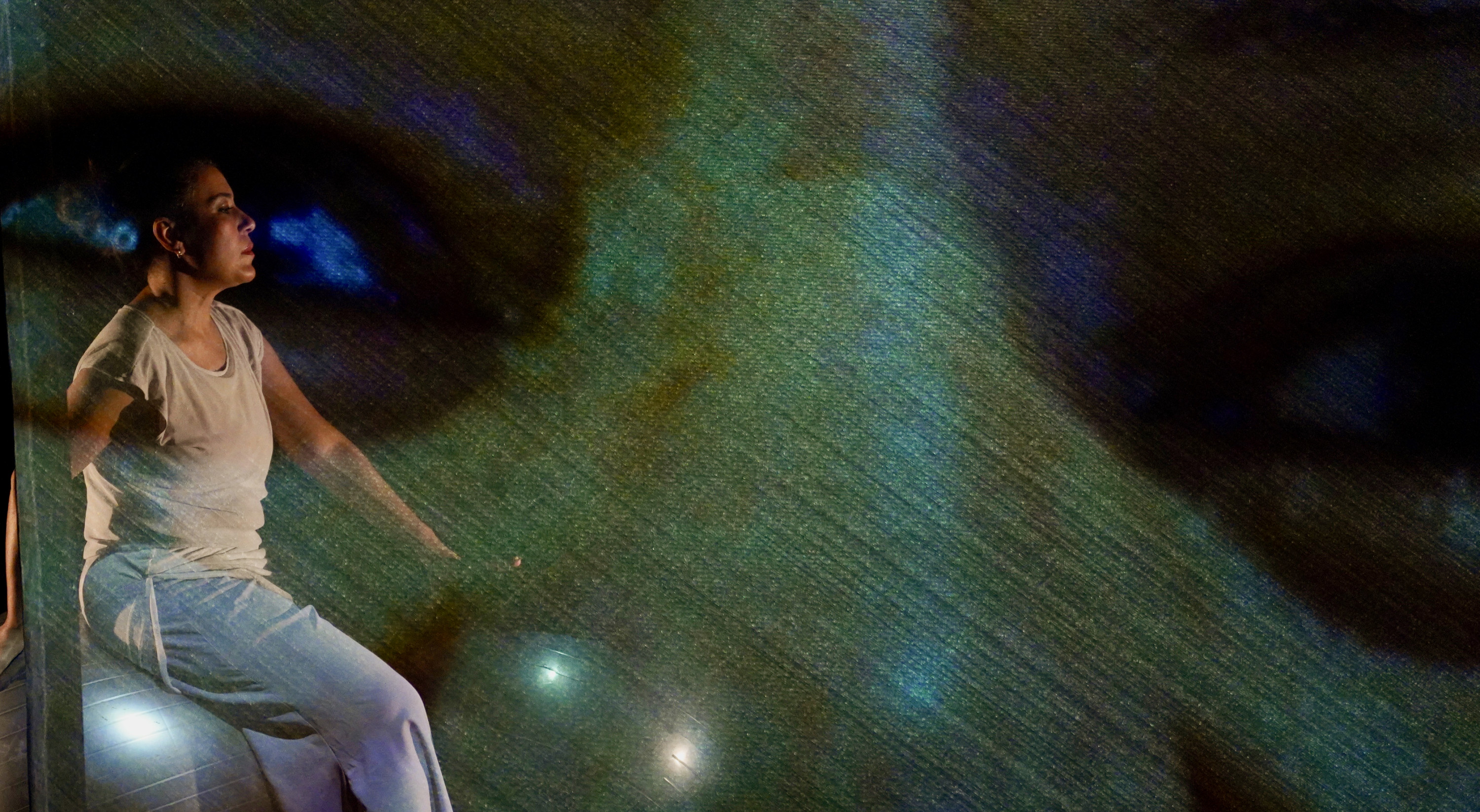
© Ahmed Al Saaty ©

Metro Ligne 5 Station Bobigny – Pablo Picasso then walk 5 minutes
Tramway T1 Station Hôtel-de-ville de Bobigny – Maison de la Culture
Bus 146, 148, 303, 615, 620 Bobigny Station - Pablo Picasso
Bus 134, 234, 251, 322, 301 Hôtel-de-ville Station
Vélib’ Stations Bobigny – Pablo-Picasso et Jean-Jaurès – Place de la Libération
Thursday september 24
19h30
Friday september 25
19h30
Saturday september 26
18h30
Sunday september 27
15h30
Design, staging and artistic direction Laila Soliman. Live music and sound creation Nancy Mounir. Scenography and video creation Bissane Al-Charif. Choreography and interpretation Sherin Hegazy. Assistant to the director and video editor and videographer Abigail Chien. Creation and lighting management Saber el Sayed. Sound engineering (live) Mohamed Sabry. Production Virginie Dupray. Assistant to production and director Mariam Akmal.
The MC93—Maison de la Culture de Seine-Saint-Denis and the Festival d'Automne in Paris are co-realisators of this show and present it as a co-realisation.

All rooms of the MC93 are accessible to people with reduced mobility. If your situation requires a special indoor placement, contact them by email at reservation@mc93.com
The Egyptian director and playwright Laila Soliman takes an interest in what remains, and confronts the intimate with the collective. Her work takes sorrow as its starting point. With Story of…, she explores the gaping hole left by the death of a child.
A few years ago, Laila Soliman lost her child four days after giving birth. At that tiime, it came to her that while joyful births are a cause for celebration in public, those that do not come to term or have complications are hushed up, and relegated to the private sphere. Driven by her conviction that the act of sharing can be a source of reparation, she puts her experience in resonance with the accounts of other mothers. Why, in numerous regions across the world, is it so difficult to cry, grieve and share in the death of a child linked to childbirth with loved ones? Onstage, Nancy Mounir’s live music dialogues with the movements of Sherin Hegazy, who uses the vocabulary of belly dancing in order to examine fertility, fecundity and femininity. Her pelvis moves in wave-like fashion, trembles, and contracts, as if traversed by a shared memory. The images by Bissane Al-Charif concentrate on the hands, gaze, and mouths of the women as they bear witness, giving rise to a multitude of fragments of long suppressed stories. Together they open up a space of great sensitivity in which these words of vulnerability can, at long last, be laid down and allowed to resonate.
Metro Ligne 5 Station Bobigny – Pablo Picasso then walk 5 minutes
Tramway T1 Station Hôtel-de-ville de Bobigny – Maison de la Culture
Bus 146, 148, 303, 615, 620 Bobigny Station - Pablo Picasso
Bus 134, 234, 251, 322, 301 Hôtel-de-ville Station
Vélib’ Stations Bobigny – Pablo-Picasso et Jean-Jaurès – Place de la Libération