École du soir, Forensic Architecture
Conditions d’existence
octoberoct 3
novembernov 29
decemberdec 1
© Forensic Architecture ©
© Forensic Architecture ©
© Forensic Architecture ©
Metro lignes 1, 4, 7, 11, 14 : Châtelet
Bus 21, 38, 47, 58, 67, 69, 70, 72, 74, 75, 76, 85, 96
RER lignes A, B, D : Châtelet-Les Halles
+ VELIB's stations
Saturday october 3
00h

Metro Ligne 5 Station Bobigny – Pablo Picasso then walk 5 minutes
Tramway T1 Station Hôtel-de-ville de Bobigny – Maison de la Culture
Bus 146, 148, 303, 615, 620 Bobigny Station - Pablo Picasso
Bus 134, 234, 251, 322, 301 Hôtel-de-ville Station
Vélib’ Stations Bobigny – Pablo-Picasso et Jean-Jaurès – Place de la Libération
Sunday november 29
00h

Metro : 6, 14 - Quai de la gare, Bibliothèque
Bus : 62, 64, 89, 27
RER : C
Vélibs : 1 rue Pau Casals, 75013 Paris
Tuesday december 1
00h
In partnership with le Théâtre de la Ville-Paris, la MC93—Maison de la Culture de Seine-Saint-Denis et mk2 Bibliothèque × Centre Pompidou.
The Centre Pompidou and le Festival d’Automne à Paris are co-producers of this series and are presenting it as a joint production.
As part of the Centre Pompidou’s Constellation programme.
In 2025, the Festival d’Automne launched an Evening School in partnership with the Centre Pompidou to create an alternative, non-academic space for knowledge-sharing, designed to bring audiences together around a thought-provoking programme where artistic practice is combined with the audience’s experience. Following an inaugural edition conceived with Felwine Sarr, the 2026 Evening School has been conferred to Forensic Architecture. Under the direction of Eyal Weizman, this research agency, composed of investigators from different disciplines, with its base at Goldsmiths, University of London, develops methods of enquiry into state-perpetrated acts of violence, at the crossroads between art, law and journalism.
Entitled Conditions d’existence, this École du soir takes on the form of three conferences that examine the relationship between the environment and the precarious nature of human life. The "conditions of life" refer to the composite environment underlying both biological and cultural life forms. These conditions include natural ecology—water, air, the ground and vegetation—as well as environments created by human beings—housing, and infrastructures, as well as social, patrimonial and political institutions.
The term "conditions d’existence" (conditions of life) originates from the United Nations Genocide Convention, which makes it forbidden to "deliberately inflict on the group conditions of life calculated to bring about its physical destruction in whole or in part”. However, it does not apply solely to genocide. The degradation or destruction of the environment compromises the capacity of a people to survive and becomes a means of control over a given population. The social, numerical and biological dimensions are not distinct from one another: harm inflicted in one domain amplifies and worsens the damage caused by the destruction of the others. The moment cultural institutions are destroyed, the capacity of a society to organise itself and provide mutual assistance is also negatively impacted, which in turn affects the physical, biological and social resilience that otherwise would have been able to attenuate the direst effects of lack of resources, toxicity or famine.
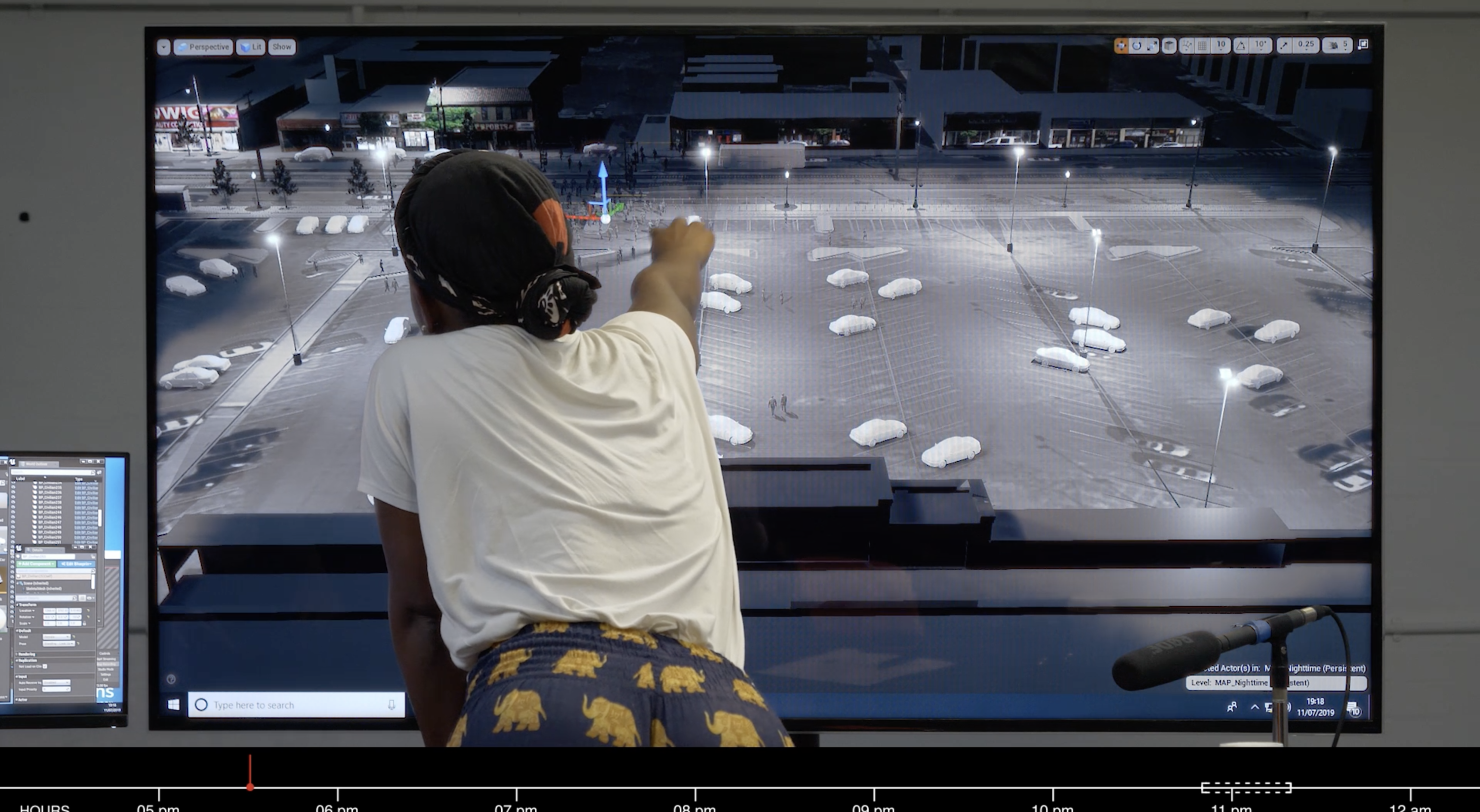
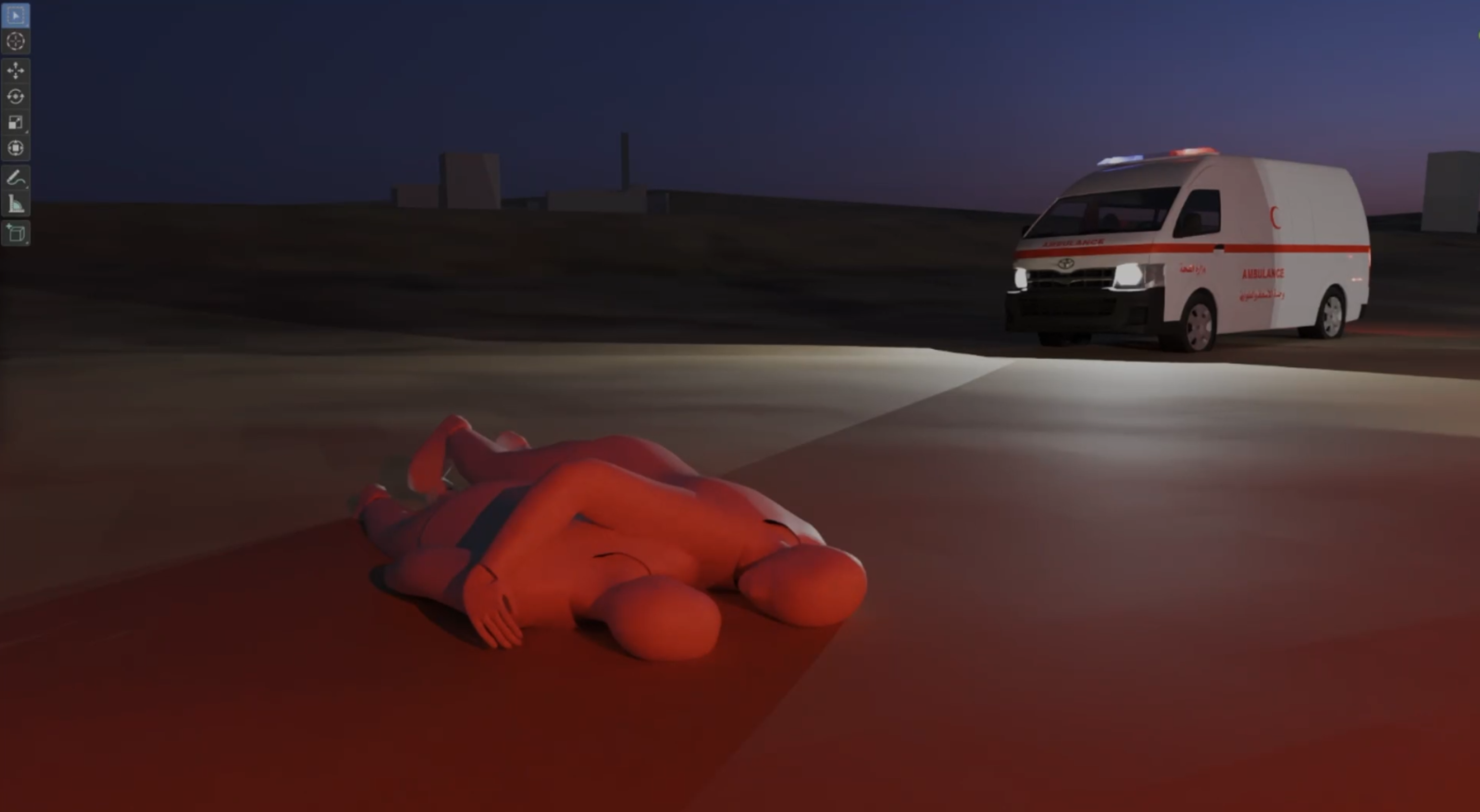
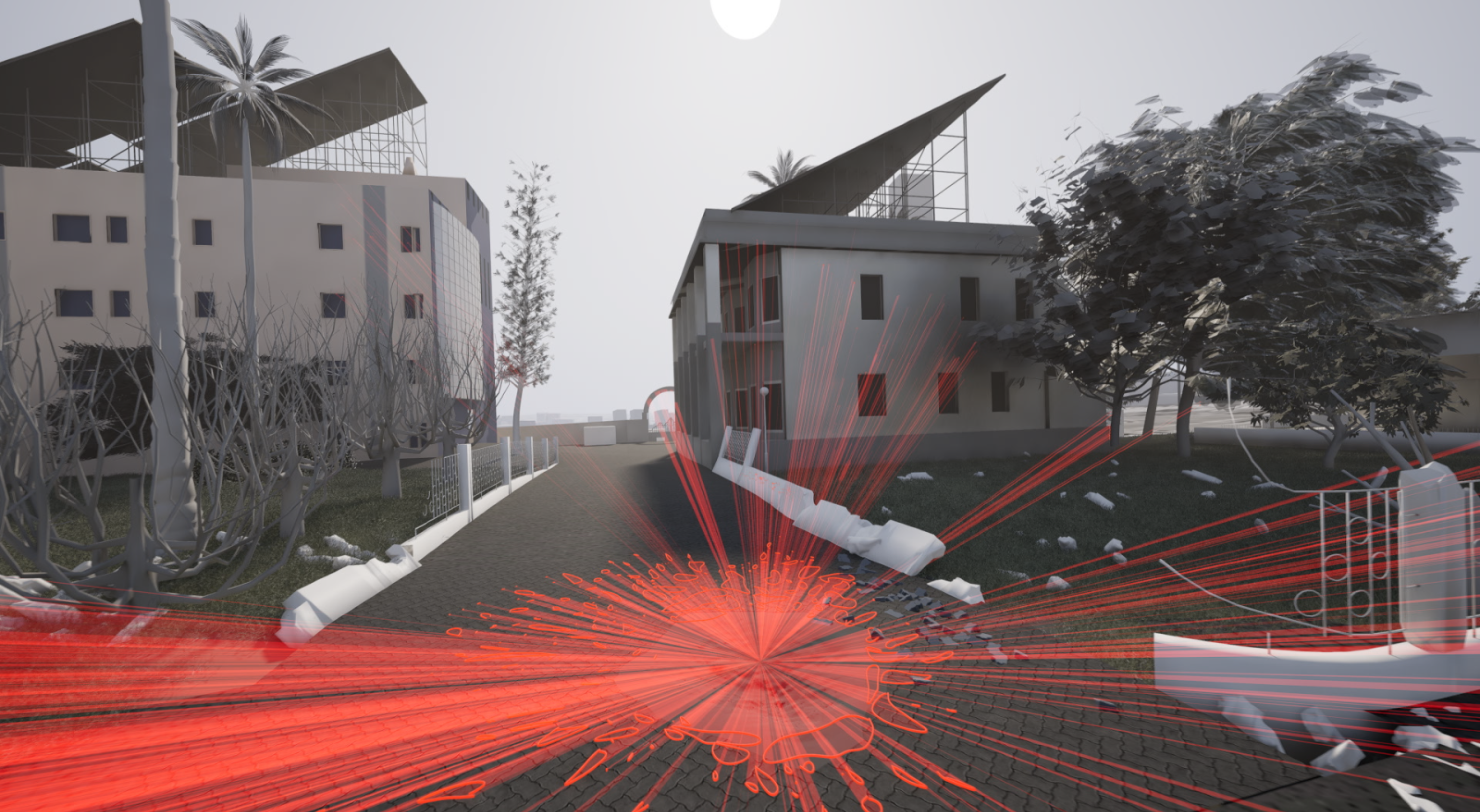
The programme explores the enquiries carried out by Forensic Architecture spanning different scales and temporalities. These enquiries range, for example, from sudden acts of violence such as police killings, to more extensive ones, such as the long-term effects of the process of urban transformation, and the intergenerational cost of violence inflicted upon the environment, processes which are so slow that they almost become invisible. These continual, interdependent dynamics can result in the emergence of sudden peaks of violence. Three conferences set out these perspectives according to the following three axes: Incidents, Incarcerations and Environments.
This year, the Ateliers du sensible have been turned into the Cliniques du sensible, conceived in relation to, and in conjunction with, the area or territory itself, in dialogue between artists from this year’s edition of the Festival, and encounters with diverse audiences. These spaces of shared enquiry operate on the basis of the putting into practice itself, as well as gesture and collective experience. They raise awareness of what is at stake in political, societal and environmental terms, brought up to date via the research carried out by the École du soir’s invited artists.
Metro lignes 1, 4, 7, 11, 14 : Châtelet
Bus 21, 38, 47, 58, 67, 69, 70, 72, 74, 75, 76, 85, 96
RER lignes A, B, D : Châtelet-Les Halles
+ VELIB's stations
Metro Ligne 5 Station Bobigny – Pablo Picasso then walk 5 minutes
Tramway T1 Station Hôtel-de-ville de Bobigny – Maison de la Culture
Bus 146, 148, 303, 615, 620 Bobigny Station - Pablo Picasso
Bus 134, 234, 251, 322, 301 Hôtel-de-ville Station
Vélib’ Stations Bobigny – Pablo-Picasso et Jean-Jaurès – Place de la Libération

Metro : 6, 14 - Quai de la gare, Bibliothèque
Bus : 62, 64, 89, 27
RER : C
Vélibs : 1 rue Pau Casals, 75013 Paris